Penrite HPR 30 20W-60 Engine Oil 5L
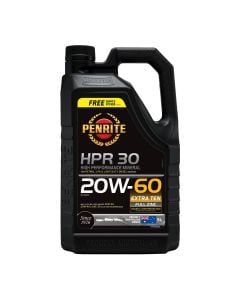
Penrite · Part number HPR30005 · NZ$104.19 incl. GST
If your engine's been sounding a bit rough lately, especially on cold starts, that’s often a sign the oil's not doing its job. You could be paying a mechanic $30 to top it up with a generic blend — or you could be putting in a proper full-synthetic yourself for the same cost.
Price
NZ$104.19 including GST. Part number HPR30005.
Fits these vehicles
- Abarth Ritmo (1983–1987)
- Alfa Romeo 164 (1987–1991)
- Alfa Romeo 164 (1987–1992)
- Alfa Romeo 164 (1987–1992)
- Alfa Romeo 164 (1987–1992)
- Alfa Romeo 164 (1987–1992)
- Alfa Romeo 164 (1990–1992)
- Alfa Romeo 164 (1990–1992)
- Alfa Romeo 164 (1992–1997)
- Alfa Romeo 164 (1992–1998)
- Alfa Romeo 164 (1992–1998)
- Alfa Romeo 164 (1992–1998)
- Alfa Romeo 164 (1992–1998)
- Alfa Romeo 164 (1993–1997)
- Alfa Romeo 164 (1994–1998)
- Alfa Romeo 1750-2000 (1968–1972)
- Alfa Romeo 1750-2000 (1971–1975)
- Alfa Romeo 33 (1983–1986)
- Alfa Romeo 33 (1983–1987)
- Alfa Romeo 33 (1983–1993)
- Alfa Romeo 33 (1984–1986)
- Alfa Romeo 33 (1984–1987)
- Alfa Romeo 33 (1984–1987)
- Alfa Romeo 33 (1984–1989)
- Alfa Romeo 33 (1986–1989)
- Alfa Romeo 33 (1986–1989)
- Alfa Romeo 33 (1986–1989)
- Alfa Romeo 33 (1986–1990)
- Alfa Romeo 33 (1990–1991)
- Alfa Romeo 33 (1990–1994)
- Alfa Romeo 33 (1990–1994)
- Alfa Romeo 75 (1985–1986)
- Alfa Romeo 75 (1985–1988)
- Alfa Romeo 75 (1985–1989)
- Alfa Romeo 75 (1985–1992)
- Alfa Romeo 75 (1986–1990)
- Alfa Romeo 75 (1986–1990)
- Alfa Romeo 75 (1986–1992)
- Alfa Romeo 75 (1987–1992)
- Alfa Romeo 75 (1987–1992)
Description
Give Your Engine Some Oomph: Why a Full Synthetic Oil Top-Up is a No-Brainer!
Let's be honest, engine oil isn't the most exciting topic. But it's the lifeblood of your engine. Using the right oil – and keeping it topped up – can be the difference between a smooth ride and a costly repair bill.
Why Full Synthetic Matters
Conventional oil breaks down faster under heat and pressure. That means less protection for your engine, especially in tough conditions or with a turbocharger. Full synthetic, like this Penrite HPR 30, is designed to withstand those extremes, providing consistent lubrication and reducing wear.
Is This the Right Oil for You?
This Penrite HPR 30 is a 5W-30 grade, which suits a wide range of vehicles, both petrol and diesel. If you're not sure what grade your car needs, check your owner's manual or look for the oil specification on your current oil cap. Remember different engines will require different amounts of oil, so check against what’s recommended by your vehicles manufacturer.
DIY Top-Up: Simple and Smart
Topping up your oil is one of the easiest DIY tasks. Here's the breakdown:
1. Check the Level: Use your dipstick to check the current oil level. The 'min' and 'max' marks are your guide.
2. Locate the Fill Point: Remove the oil filler cap on top of your engine.
3. Add Oil Gradually: Pour in small amounts, checking the dipstick after each addition to avoid overfilling.
4. Clean Up: Wipe away any spills and replace the filler cap securely.
The Payoff?
Using a quality oil like Penrite HPR 30 and handling top-ups yourself saves you money on workshop labour and gives your engine the protection it deserves. Plus, you'll know exactly what's going into your engine.
By topping this up yourself, you're proving you're the kind of vehicle owner who knows how to keep their ride running smoothly – without relying on expensive workshop visits for everything.
Need a hand with something else? Just ask Bob!
---
🛠️ Bob's Pro Tip: Do the Job Right!
🧰 What Else You'll Need:
• Clean Workspace: Use a dedicated oil drip tray and have a roll of workshop towels ready to catch any spills during the drain.
• Filter Removal: Keep an oil filter wrench or strap wrench handy, as old filters can be stubbornly seized.
• Pre-Lubrication: Smear a tiny dab of fresh engine oil onto the rubber gasket of the new oil filter before spinning it on to ensure a perfect, leak-free seal.
• Clean Hands: Keep Nitrile Gloves and heavy-duty hand cleaner nearby to protect your skin from used motor oil.