Kelpro BRAKE PAD WEAR SENSOR
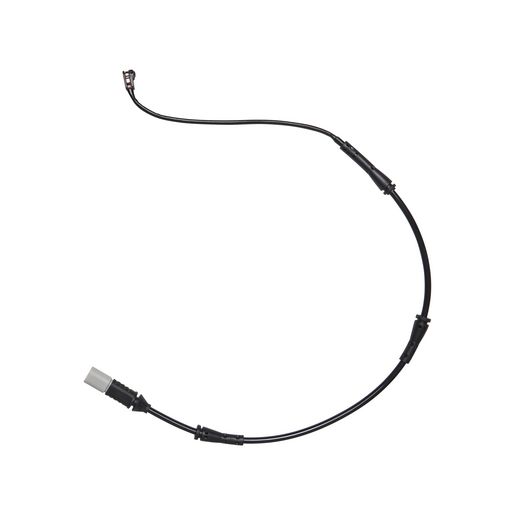
Kelpro · Part number KBS9124 · NZ$23.00 incl. GST
For your cherished European ride, be it a BMW 4 Series, Volvo S90, or Volkswagen Touran, a Brake Pad Wear Sensor is the unsung hero that chirps up when your pads are getting a bit thin, saving you from a much bigger headache down the track and keeping your stopping power top-notch. KELPRO offers a solid choice, and we've got you covered with other quality brands too.
Price
NZ$23.00 including GST. Part number KBS9124.
Fits these vehicles
- BMW 1 (2011–2015)
- BMW 1 (2011–2015)
- BMW 1 (2011–2015)
- BMW 1 (2011–2015)
- BMW 1 (2011–2015)
- BMW 1 (2011–2015)
- BMW 1 (2011–2015)
- BMW 1 (2011–2019)
- BMW 1 (2012–2015)
- BMW 1 (2012–2015)
- BMW 1 (2012–2015)
- BMW 1 (2012–2015)
- BMW 1 (2012–2015)
- BMW 1 (2012–2017)
- BMW 1 (2012–2019)
- BMW 1 (2012–2019)
- BMW 1 (2015–2015)
- BMW 1 (2015–2016)
- BMW 1 (2015–2016)
- BMW 1 (2015–2019)
- BMW 1 (2015–2019)
- BMW 1 (2016–2019)
- BMW 1 (2016–2019)
- BMW 1 (2016–2019)
- BMW 2 (2013–2016)
- BMW 2 (2013–2017)
- BMW 2 (2013–2019)
- BMW 2 (2013–2021)
- BMW 2 (2013–2021)
- BMW 2 (2014–2016)
- BMW 2 (2014–2016)
- BMW 2 (2014–2020)
- BMW 2 (2014–2021)
- BMW 2 (2014–2021)
- BMW 2 (2015–2021)
- BMW 2 (2015–2021)
- BMW 2 (2015–2021)
- BMW 2 (2015–2021)
- BMW 2 (2016–2021)
- BMW 2 (2016–2021)
Description
Brake Pad Wear Sensor Replacement: Keeping Your Euro Cruiser Safe and Sound
> Brake pad wear sensors are those clever little bits that whisper a warning when your brake pads are getting a bit low. For your sophisticated European vehicles, like that sleek BMW 4 Series, the trusty Volvo S90, or the family-friendly Volkswagen Touran, these sensors are absolutely vital. They give you a heads-up before things get gnarly, preventing metal-on-metal nastiness and keeping you safe as houses on our Kiwi roads.
The Telltale Signs It's Time for a Look-See
• That pesky warning light glowing on your dashboard (usually a circle with dashed lines).
• An ear-splitting squeal or grinding noise when you hit the brakes (though the sensor's job is to stop it getting this far!).
• Your brakes feeling a bit spongy or not quite as sharp as they used to be.
Will it pass WOF?
Absolutely not! If your brake pad wear sensor is playing up, disconnected, or your pads are so worn they've triggered the sensor, you'll be looking at a WOF fail. Keeping your braking system, including these clever sensors, in tip-top condition is non-negotiable for road safety here in Aotearoa.
DIY or Workshop?
Difficulty: 4/10 (Totally doable for the home mechanic with a few basic skills)
Estimated Time: 30-60 minutes per axle (often a job you'll do when replacing brake pads)
Tools Required: A trusty jack, some sturdy jack stands, a wheel nut wrench, your basic hand tools (screwdrivers, pliers), and, ideally, a fresh set of brake pads.
Bob's "Get It Done Right" Companion Checklist
Before you dive in, grab these bits and bobs to make the job easier and safer:
• A good blast of Brake Cleaner to clear away all that brake dust and grime for a clean working surface.
• Some quality Caliper Grease to ensure everything moves smoothly once it's back together.
• Don't forget your safety specs! Eye protection is a no-brainer when you're under the car.
• Heavy-duty nitrile gloves will keep your hands clean and protected.
• A few Workshop Rags are always handy for spills and clean-up.
Expert Recommendation from Bob
Here at CARFIX, Bob always reckons you should swap out your brake pad wear sensors every single time you do your brake pads. These little guys are designed to sacrifice themselves, and once they've done their job and triggered a warning, they're usually toast. A fresh sensor means your vehicle's safety system is back on guard, giving you accurate warnings and saving your rotors from premature wear. The KELPRO sensor is a top-notch pick, built to OE specs, so you know it'll perform reliably for your BMW, Volvo, or Volkswagen.
Bob at CARFIX is always keen for a yarn and can help you figure out exactly what part your European beauty needs. Pop into Bob's Shop for a chat – the kettle's always on!
Fitment Notes
Brake pad wear sensors are a bit particular – they're specific to the axle (front or rear) and often to your vehicle's trim level or braking system. Always, always double-check the correct sensor for your BMW 4 Series (2013-2020), Volvo S90 (2016-2021), or Volkswagen Touran (2015-2022) using your vehicle's VIN. That way, you'll get a perfect fit every time.
---
🛠️ Bob's Pro Tip: Do the Job Right!
> If you're replacing this brake pad wear sensor, make sure you've got the right workshop prep, protection, and safety gear ready. Taking a bit of extra time and using the proper safety stands and cleaners makes all the difference for a professional result!
🧰 What Else You'll Need:
• Safety First: Always secure your vehicle on heavy-duty safety jack stands before working underneath. Never rely solely on a hydraulic jack.
• Clean Hands: Keep a pack of Nitrile Gloves handy to protect your skin from grease, oils, and chemical sprays.
• Preparation: Have microfibre towels and a suitable parts cleaner nearby to keep components clean during installation.