TRW DTEC Ceramic Brake Pads Set (DB1113)
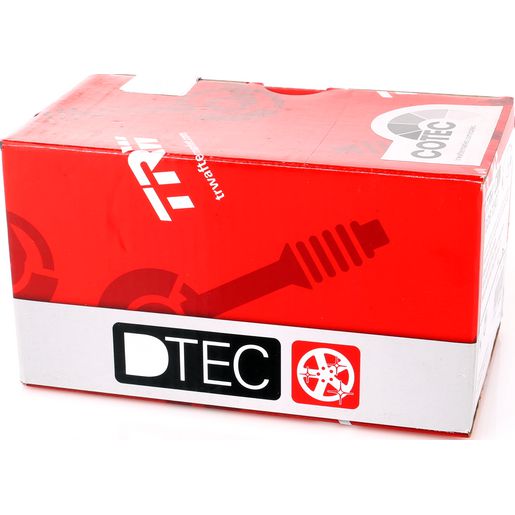
TRW · Part number GDB729DT · NZ$148.00 incl. GST
For your trusty, hard-working Mitsubishi 4x4s and vans like the Pajero, L300, or L200, these TRW brake pads are your ticket to safe stopping power, ensuring you can haul loads or tackle any gnarly Kiwi terrain with absolute confidence.
Price
NZ$148.00 including GST. Part number GDB729DT.
Fits these vehicles
- Mitsubishi
- Mitsubishi
- Mitsubishi Delica (1986–1988)
- Mitsubishi Delica (1986–1994)
- Mitsubishi Delica (1986–1994)
- Mitsubishi Delica (1986–1994)
- Mitsubishi Delica (1986–1994)
- Mitsubishi Delica (1986–1994)
- Mitsubishi Delica (1986–1994)
- Mitsubishi Delica (1986–1996)
- Mitsubishi Delica (1986–1997)
- Mitsubishi Delica (1986–1997)
- Mitsubishi Delica (1986–1999)
- Mitsubishi Delica (1986–2004)
- Mitsubishi Delica (1986–2004)
- Mitsubishi Delica (1986–2004)
- Mitsubishi Delica (1986–2006)
- Mitsubishi Delica (1987–2004)
- Mitsubishi Delica (1988–1994)
- Mitsubishi Delica (1989–1994)
- Mitsubishi Delica (1990–1994)
- Mitsubishi Delica (1991–2003)
- Mitsubishi Delica (1991–2003)
- Mitsubishi Delica (1991–2003)
- Mitsubishi Delica (1991–2003)
- Mitsubishi Delica (1994–1996)
- Mitsubishi Delica (1994–1996)
- Mitsubishi Delica (1994–1998)
- Mitsubishi Delica (1994–1999)
- Mitsubishi Delica (1994–1999)
- Mitsubishi Delica (1994–1999)
- Mitsubishi Delica (1994–1999)
- Mitsubishi Delica (1994–1999)
- Mitsubishi Delica (1994–1999)
- Mitsubishi Delica (1994–2002)
- Mitsubishi Delica (1994–2003)
- Mitsubishi Delica (1994–2006)
- Mitsubishi Delica (1997–2003)
- Mitsubishi Delica (1999–2002)
- Mitsubishi Delica (2006–2013)
Description
Give Your Mitsubishi the Stopping Power It Deserves — Bob's Guide to TRW Brake Pads
> Right, let's talk brakes! These little beauties are the unsung heroes of your Mitsubishi's safety system. They're what grab onto those spinning discs to slow you down, turning all that go-fast energy into heat — especially crucial for your Pajero, L300, or L200, which often work their guts out, carrying loads or tackling our wild New Zealand roads. Over time, that friction material wears thin, and that's when things get a bit dicey. We don't want any 'oh no!' moments, do we?
Signs It's Time to Get Sorted
• That dreaded squeal or grind every time you hit the pedal.
• Feeling like you need a postcode to stop, not just a few metres.
• A bit of a wobble or shake through the brake pedal.
• Your brake pedal feels like a soggy biscuit.
• You can actually see the pads are thinner than a tuatara's patience (less than 3mm left).
• Your vehicle's pulling to one side — a bit like a confused sheepdog.
Will it pass WOF?
Nah, mate, no chance! Worn brake pads are a classic WOF fail. The inspectors are sharp; they'll check pad thickness and make sure everything's shipshape. If your pads are looking tired or the system's playing up, it's a straight-up fail. Best get 'em sorted before your WOF check, eh?
DIY or Workshop?
Difficulty: 6/10 (A bit of a challenge, but totally doable for the keen DIYer)
Estimated Time: 1-2 hours per axle (grab a cuppa and take your time)
Tools Required: Jack, trusty jack stands (safety first!), lug wrench, C-clamp or brake caliper piston compressor, socket set, open-end wrenches, brake cleaner, torque wrench, and maybe a wire brush to clean things up.
🛠️ Bob's "Get It Done Right" Companion Checklist
Before you dive into replacing those brake pads, let's make sure you've got everything on hand to make the job safe, clean, and smooth as a baby's bottom. Trust Bob, a little prep goes a long way!
• Safety First! Never get under a car supported only by a jack! Grab some sturdy Jack Stands — your life's worth it. And protect those precious peepers with a decent pair of Safety Glasses. You don't want brake dust in your eyes!
• Keep it Clean: Brake dust is nasty stuff. A can of powerful Brake Cleaner will blast away grime and carbon dust, ensuring everything's spotless for reassembly. And for your hands? Heavy-duty Nitrile Gloves are a lifesaver, keeping them clean and protected.
• Smooth Operator: Don't forget a good quality anti-seize caliper grease. This helps everything move freely and prevents those annoying squeals. It's a small detail that makes a big difference!
Expert Recommendation
Bob @ CARFIX always reckons you should swap out those brake pads the moment you notice any wear or a drop in performance. It's not just about your safety, it's about everyone else on the road too! For your Mitsubishi workhorse, TRW brake pads are an absolute cracker — top-notch quality and consistent performance, which is exactly what you need for those heavy loads and tricky Kiwi roads. Pop into Bob's Shop for a yarn; I'm always here to help you nail down exactly what your Mitsubishi needs.
Fitment Notes
This particular set of pads is a good fit for a bunch of older Mitsubishi legends, including the Montero, Pajero, Delica, L300, and L200 from the 80s and 90s. Now, because these old girls have seen a few changes over the years, it's super important to double-check the fitment against your specific vehicle's year, model, and chassis number. This is especially true for any imported models, like some of those cool Delica Star Wagons. Just a quick check saves a whole lot of hassle!
---
🛠️ Bob's Pro Tip: Do the Job Right!
🧰 What Else You'll Need:
• Safety First: Never work under a vehicle supported only by a jack. Always secure it on heavy-duty safety jack stands.
• Brake Dust Protection: Brakes get incredibly dirty. Keep a pack of Nitrile Gloves handy to protect your hands from stubborn brake dust.
• Clean and Prep: Use a high-quality Brake Cleaner spray to blast away stubborn dust, oil, and road grime from the caliper assembly and new rotors before reassembly.
• Lubrication: Apply a thin smear of high-temperature caliper grease to the pad backing plates and slide pins (keep it off the pad friction material!) to prevent squeals and ensure smooth caliper operation.