RDA Brakes Standard Disc Brake Rotor Vented 256mm
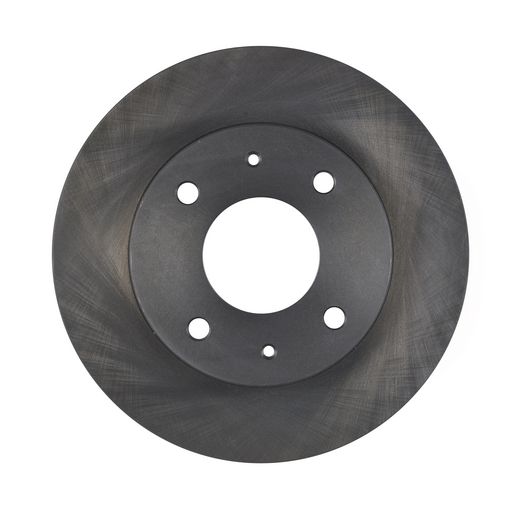
RDA Brakes · Part number RDA411 · NZ$175.00 incl. GST
Right then, for a bunch of popular Japanese rides, from your trusty Mitsubishi Lancer to the zippy Nissan Silvia, a good Disc Brake Rotor is absolutely crucial – it’s the main act for safe, reliable stopping power, whether you’re just popping to the dairy or hitting the open road with a bit of gusto.
Price
NZ$175.00 including GST. Part number RDA411.
Fits these vehicles
- Mitsubishi
- Mitsubishi Aspire (1996–2000)
- Mitsubishi Aspire (1996–2007)
- Mitsubishi Aspire (1997–2001)
- Mitsubishi Aspire (1997–2004)
- Mitsubishi Aspire (1998–2000)
- Mitsubishi Aspire (2000–2002)
- Mitsubishi Aspire (2000–2004)
- Mitsubishi Carisma (1995–1997)
- Mitsubishi Carisma (1996–1997)
- Mitsubishi Carisma (1996–2000)
- Mitsubishi Carisma (1997–2006)
- Mitsubishi Chariot (1988–1992)
- Mitsubishi Chariot (1991–1993)
- Mitsubishi Chariot (1991–1997)
- Mitsubishi Chariot (1992–1997)
- Mitsubishi Chariot (1992–1998)
- Mitsubishi Chariot (1992–1998)
- Mitsubishi Chariot (1993–1997)
- Mitsubishi Chariot (1994–1994)
- Mitsubishi Chariot (1995–1997)
- Mitsubishi Chariot (1996–1998)
- Mitsubishi Dion (1999–2005)
- Mitsubishi Dion (2000–2002)
- Mitsubishi Emeraude (1992–1996)
- Mitsubishi Emeraude (1992–1996)
- Mitsubishi Emeraude (1992–1996)
- Mitsubishi Emeraude (1994–1996)
- Mitsubishi Eterna (1988–1990)
- Mitsubishi Eterna (1988–1992)
- Mitsubishi Eterna (1989–1992)
- Mitsubishi Eterna (1990–1992)
- Mitsubishi Eterna (1992–1994)
- Mitsubishi Eterna (1992–1996)
- Mitsubishi Eterna (1992–1996)
- Mitsubishi Eterna (1992–1996)
- Mitsubishi Eterna (1992–1996)
- Mitsubishi Eterna (1993–1994)
- Mitsubishi Eterna (1993–1996)
- Mitsubishi Eterna (1994–1996)
Description
Disc Brake Rotor Replacement — Bob's Straight Talk Guide, Featuring RDA!
> Alright, let’s talk rotors. These shiny metal discs are what your brake pads squeeze to bring your vehicle to a halt. Over time, all that stopping, heat, and a bit of Kiwi weather can thin 'em out, warp 'em, or carve some grooves into 'em. When that happens, your braking goes a bit pear-shaped, especially if you’re driving something like a Mitsubishi Lancer or a Nissan Silvia that sees a bit of everything, from city snarls to winding country roads.
The Telltale Signs
• Feeling a bit of a wobble or pulse through your brake pedal or steering wheel when you hit the anchors?
• Hearing squeals, grinding, or a nasty scraping noise when you brake?
• Taking a bit longer to stop, or that brake pedal feels a bit squishy?
• Can you actually see scores, deep grooves, or funny discolouration on the rotor itself?
Will it pass WOF?
Nah, mate. If your brake rotors are looking a bit grim – too thin, warped, or properly munted – your vehicle will fail its Warrant of Fitness (WOF) faster than a seagull snatches a chip. Compromised braking efficiency is a no-go for safety. Rotors need to be up to scratch, meeting minimum thickness and free from any nasty cracks or excessive scoring.
DIY or Workshop?
Difficulty: 6/10 (Moderate – you’ll need to roll up your sleeves)
Estimated Time: About 1-2 hours per axle (perfect for a Saturday morning before the rugby)
Tools You'll Need: A trusty jack and some sturdy jack stands (safety first!), your wheel nut wrench, the right socket/spanner for your brake caliper, a C-clamp or a proper brake caliper piston tool, a torque wrench to do things right, a wire brush, some brake cleaner, safety glasses, and a good pair of gloves.
🛠️ Bob's "Get It Done Right" Companion Checklist
Before you dive in, let’s make sure you’ve got everything for a smooth job and to keep those hands clean:
• Safety Glasses: No one wants a bit of brake dust in their eye. Grab some Safety Glasses – your peepers will thank you!
• Heavy-Duty Nitrile Gloves: Keep those mitts clean and protected from grime and brake dust. We’ve got tough Nitrile Gloves that’ll do the trick.
• Brake Cleaner Spray: Essential for blasting away carbon dust and grease, ensuring a clean surface for your new pads and rotors. Pick up some Brake Cleaner.
• Anti-Seize Caliper Grease: A little dab'll do ya to prevent seizing and keep things moving freely. Look for Brake Grease.
Expert Recommendation
Bob here at CARFIX always reckons replacing brake rotors at the first sign of wear or damage is a no-brainer for keeping your braking performance top-notch and, more importantly, keeping you safe. Skimping on worn rotors can chew through your new brake pads in no time and lead to some pretty hairy situations on the road. The RDA RDA411 is a cracking choice for its quality and fits a heap of popular Japanese models. Need a hand figuring out the exact part for your Mitsubishi Lancer or Nissan Silvia? Just pop over to Bob's Shop for a yarn – I’m always here to help you get sorted!
Fitment Notes
This particular rotor is a good fit for a wide range of popular Japanese vehicles from the late 80s right through to the early 2000s. We're talking Mitsubishi RVR, Chariot, Dion, Galant, and Lancer, plus the Nissan 200SX/Silvia and Cefiro. Always, always, double-check the exact specs against your vehicle’s year, make, model, and engine size. Even within the same model range, things can be a bit different, so best to be sure!
Bob's your uncle, you'll be stopping like a champ in no time!
---
🛠️ Bob's Pro Tip: Do the Job Right!
🧰 What Else You'll Need:
• Safety First: Never work under a vehicle supported only by a jack. Always secure it on heavy-duty safety jack stands.
• Brake Dust Protection: Keep a pack of Nitrile Gloves handy to protect your hands from grease and dust.
• Clean and Prep: Use Brake Cleaner to clean the anti-corrosion shipping oil off the new rotors before mounting the calipers.
• Lubrication: Apply caliper grease to caliper slide pins and pad contact points to prevent squealing.