RDA Brakes Standard Disc Brake Rotor Solid 273mm
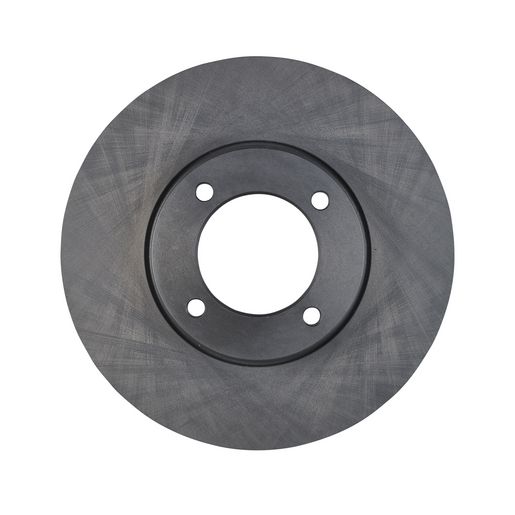
RDA Brakes · Part number RDA114B · NZ$133.00 incl. GST
That grinding noise when you hit the brakes isn't just annoying; it's your wallet doing the Haka as your rotors get chewed up. A fresh set of RDA front rotors costs less than a decent cafe lunch, and swapping them yourself with basic tools will save you a packet on workshop labour.
Price
NZ$133.00 including GST. Part number RDA114B.
Fits these vehicles
- Ford
- Ford Fairmont (1965–1966)
- Ford Fairmont (1965–1966)
- Ford Falcon (1965–1966)
- Ford Falcon (1965–1966)
- Ford Falcon (1965–1966)
- Ford Falcon (1965–1966)
- Ford Falcon (1965–1966)
- Ford Falcon (1965–1966)
- Ford Falcon (1965–1966)
- Ford Falcon (1965–1966)
- Ford Falcon (1965–1966)
- Ford Falcon (1965–1966)
- Ford Falcon (1965–1966)
- Ford Falcon (1965–1966)
Description
Ditch the Grinding: DIY RDA Front Rotor Swap for Your Holden Commodore VT-VZ
That grinding sound when you hit the brakes isn't just annoying; it's your wallet doing the Haka as your rotors get chewed up. A fresh set of RDA front rotors costs less than a decent cafe lunch, and swapping them yourself with basic tools will save you a packet on workshop labour. This guide will get you sorted.
RDA brake rotors are a direct replacement for your Holden Commodore VT-VZ front rotors. They give you reliable stopping power and long service life without breaking the bank.
Common Symptoms of Worn Rotors:
• Grinding Noises: A deep, metallic grinding sound when you apply the brakes is a telltale sign that your brake pads have worn down completely, and the rotor is now being directly contacted by the brake caliper.
• Vibration: Warped or unevenly worn rotors can cause a noticeable vibration or pulsation in the brake pedal and steering wheel when braking.
• Squealing: While squealing can sometimes be caused by brake pads, it can also indicate a problem with the rotor surface.
• Visual Inspection: Look for deep grooves, scoring, or excessive rust on the rotor surface. These indicate wear and tear that can compromise braking performance.
• Increased Stopping Distance: If your car takes longer to stop than usual, it could be a sign of worn rotors (or other brake system issues).
WOF Implications:
Worn or damaged brake rotors are a common cause of WOF failures in New Zealand. A vehicle will fail its Warrant of Fitness if the rotors are excessively worn, cracked, or damaged to the point where they compromise braking performance. Specifically, a WOF inspector will check for:
• Minimum Rotor Thickness: Rotors have a minimum thickness specification. If the rotor is below this thickness due to wear, it will fail.
• Cracks and Damage: Any cracks that extend to the edge of the rotor or significant damage will result in a failure.
• Failure to meet the minimum thickness specified by the manufacturer.
• Surface Condition: Excessive scoring, pitting, or rust can also cause a WOF failure if it affects braking performance.
DIY Safety:
*DIY work on your vehicle's braking system carries risk. If you are not 100% confident in your ability, please use a qualified mechanic.*
• Always use jack stands to support the vehicle after lifting it with a jack. Never work under a vehicle supported only by a jack.
• Wear appropriate safety gear, including gloves and eye protection.
• Ensure the parking brake is engaged and the wheels are chocked before beginning any work.
Swapping your own rotors isn't rocket science. With RDA rotors, you're back on the road quickly, safely, and without the workshop bill shock. You're the kind of owner who handles this themselves — a weekend well spent.
Got questions? Bob's your uncle!
---
🛠️ Bob's Pro Tip: Do the Job Right!
> If you're swapping out these parts on your vehicle, always install fresh brake pads. Check out our compatible RDA Brake Pads (SKU RDB525) to ensure a perfect bed-in and get the job done properly first time!
🧰 What Else You'll Need:
• Safety First: Never work under a vehicle supported only by a jack. Always secure it on heavy-duty safety jack stands.
• Brake Dust Protection: Keep a pack of Nitrile Gloves handy to protect your hands from grease and dust.
• Clean and Prep: Use Brake Cleaner to clean the anti-corrosion shipping oil off the new rotors before mounting the calipers.
• Lubrication: Apply caliper grease to caliper slide pins and pad contact points to prevent squealing.