TRW DTEC Ceramic Brake Pads Set (DB1388)
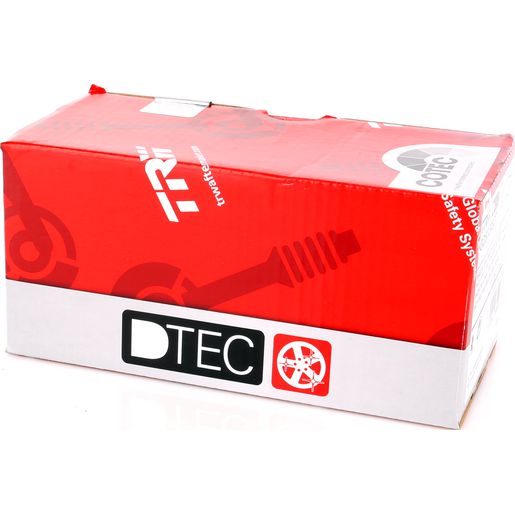
TRW · Part number GDB3246DT · NZ$152.00 incl. GST
For a wide range of Japanese SUVs, vans, and light trucks.
Price
NZ$152.00 including GST. Part number GDB3246DT.
Fits these vehicles
- Ford Econovan (1996–2005)
- Mazda Bongo Truck (2010+)
- Mazda Bongo Van (2010+)
- Mazda Mpv (1988–1999)
- Mitsubishi Delica (1999–2003)
- Mitsubishi Delica (2003–2011)
- Mitsubishi Delica (2003–2011)
- Mitsubishi Grandis (2004–2011)
- Mitsubishi Grandis (2004–2011)
- Mitsubishi Grandis (2005–2010)
- Mitsubishi Grandis (2007–2010)
- Mitsubishi IO (2001–2007)
- Mitsubishi Montero (1990–2000)
- Mitsubishi Montero (1997–1999)
- Mitsubishi Montero (2000–2004)
- Mitsubishi Montero (2000–2006)
- Mitsubishi Montero (2000–2006)
- Mitsubishi Montero (2000–2006)
- Mitsubishi Montero (2000–2006)
- Mitsubishi Montero (2000–2007)
- Mitsubishi Montero (2001–2006)
- Mitsubishi Montero (2001–2006)
- Mitsubishi Montero (2001–2006)
- Mitsubishi Montero (2001+)
- Mitsubishi Montero (2006+)
- Mitsubishi Montero (2006+)
- Mitsubishi Montero (2006+)
- Mitsubishi Montero (2006+)
- Mitsubishi Montero (2007+)
- Mitsubishi Montero (2007+)
- Mitsubishi Montero (2007+)
- Mitsubishi Montero (2007+)
- Mitsubishi Montero (2009+)
- Mitsubishi Montero (2009+)
- Mitsubishi Montero (2012+)
- Nissan Vanette (1999–2003)
Description
Brake Pad Replacement: Keep Your Wheels Safe and Sound!
> Alright, let's talk brake pads! These little champs are the unsung heroes of your vehicle's safety system, working hard to turn all that forward momentum into a smooth, controlled stop. For tough vehicles like your Mitsubishi Pajero, Mazda MPV, or Mitsubishi Delica – which often carry precious cargo, the family, or even tow a boat – having top-notch braking performance isn't just a good idea, it's absolutely crucial for staying safe on New Zealand's diverse and sometimes challenging roads.
Is Your Ride Telling You Something?
• Hearing squeals, grinding, or chirps when you hit the brakes?
• Does your brake pedal feel a bit 'spongy' or less effective than usual?
• Feeling a shimmy or vibration through the steering wheel or pedal when braking?
• Taking longer to stop than you remember?
• Seeing a brake warning light pop up on your dash (if your vehicle has wear sensors)?
WOF Check-Up Time!
Bluntly, no. Worn brake pads are a classic reason for a WOF fail here in Aotearoa. The WOF inspector will be checking for adequate pad thickness and proper braking function. Don't risk it – driving with worn pads isn't just a WOF fail waiting to happen, it's downright dangerous.
DIY or Call in the Pros?
Difficulty: 6/10 (A bit of a mission, but totally doable for the keen DIYer)
Estimated Time: Allow 1-2 hours per axle (if you've done it before, otherwise, give yourself a bit more wiggle room!)
Tools You'll Need: A sturdy jack, reliable jack stands (safety first!), wheel nut wrench, a C-clamp or a dedicated brake caliper piston tool, a good socket set, a torque wrench for getting things just right, brake cleaner, a wire brush, and maybe even a brake bleeder kit if you're feeling adventurous.
🛠️ Bob's "Get It Done Right" Companion Checklist
Before you dive into swapping out those brake pads, let's make sure you've got all your ducks in a row for a safe and smooth job:
• Stay Safe: Grab some Safety Glasses to protect your peepers from any unexpected dust or debris. And trust me, you'll want a pair of heavy-duty Nitrile Gloves – brake dust is not your friend!
• Cleanliness is Key: A can of Brake Cleaner is an absolute must-have. It'll blast away all that grimy brake dust and ensure your new pads seat properly.
• Smooth Operator: Don't forget some anti-seize caliper grease for those sliding pins. It'll keep things moving freely and quietly.
Bob's Top Tip
Bob here at CARFIX can't stress this enough: replace those brake pads at the very first hint of wear! It's not just about passing your WOF; it's about keeping you and your loved ones safe on the road. These TRW brake pads are a fantastic choice, known for their solid quality, durability, and consistent performance – perfect for the demands of a Mitsubishi Pajero or Mazda MPV tackling New Zealand's varied conditions. Pop into Bob's Shop for a yarn if you need a hand working out the perfect fit for your SUV, van, or light truck – I'm always keen for a chat!
Fitment Notes
These brake pads are designed to fit a broad range of Japanese workhorses. We're talking popular models like the MAZDA MPV i V6 (1988-1999), various MITSUBISHI MONTERO/PAJERO models (1997-2999), the MITSUBISHI GRANDIS MIVEC (2004-2011), MITSUBISHI DELICA (2003-2011), and the MAZDA BONGO TRUCK (2010-2999). Just a friendly reminder: always double-check the specific details against your vehicle's exact year, make, model, and engine size to make absolutely sure it's the right match for your trusty steed.
---
🛠️ Bob's Pro Tip: Do the Job Right!
> If you're swapping out these parts on your vehicle;Pajero, don't skimp on fresh rotors. Check out our compatible TRW Disc Brake Rotors (SKU DF3118S) to ensure a perfect bed-in and get the job done properly first time!
🧰 What Else You'll Need:
• Safety First: Never work under a vehicle supported only by a jack. Always secure it on heavy-duty safety jack stands.
• Brake Dust Protection: Brakes get incredibly dirty. Keep a pack of Nitrile Gloves handy to protect your hands from stubborn brake dust.
• Clean and Prep: Use a high-quality Brake Cleaner spray to blast away stubborn dust, oil, and road grime from the caliper assembly and new rotors before reassembly.
• Lubrication: Apply a thin smear of high-temperature caliper grease to the pad backing plates and slide pins (keep it off the pad friction material!) to prevent squeals and ensure smooth caliper operation.