MAGNATEC 0W-30 D 20L
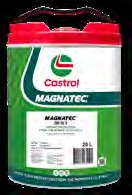
Castrol · Part number 3434547 · NZ$474.00 incl. GST
For your hardworking diesel vehicles like the trusty Toyota Hilux D-4D, the zippy Ford Focus TDCi, or the ever-reliable Toyota HiAce, getting the right engine lubricant isn't just a good idea, it's absolutely crucial for protecting that turbo, keeping wear at bay, and making sure you're not burning extra fuel across our demanding Kiwi roads. The Castrol range is a top-notch choice, and it's one of many quality options Bob stocks to keep you sorted.
Price
NZ$474.00 including GST. Part number 3434547.
Fits these vehicles
- Citroen Berlingo (2005–2011)
- Citroen Berlingo (2008+)
- Citroen Berlingo (2010–2017)
- Citroen Berlingo Multispace (2008+)
- Citroen C3 (2005–2009)
- Citroen C3 (2005–2009)
- Citroen C3 (2009–2016)
- Citroen C3 (2009–2016)
- Citroen C3 (2009–2016)
- Citroen C3 (2012–2016)
- Citroen C3 (2014–2016)
- Citroen C3 Picasso (2009–2010)
- Citroen C3 Picasso (2009–2015)
- Citroen C3 Picasso (2010–2013)
- Citroen C3 Picasso (2010–2015)
- Citroen C3 Picasso (2013–2015)
- Citroen C4 (2004–2010)
- Citroen C4 (2004–2011)
- Citroen C4 (2008–2011)
- Citroen C4 (2008–2011)
- Citroen C4 Grand Picasso (2006–2013)
- Citroen C5 (2004–2008)
- Citroen C5 (2004–2008)
- Citroen C5 (2006–2008)
- Citroen C5 (2006–2008)
- Citroen C5 (2006–2008)
- Citroen C5 (2008–2009)
- Citroen C5 (2008–2009)
- Citroen C5 (2008–2009)
- Citroen C5 (2008–2010)
- Citroen C5 (2008–2011)
- Citroen C5 (2008–2011)
- Citroen C5 (2008–2014)
- Citroen C5 (2008–2014)
- Citroen C5 (2008–2015)
- Citroen C5 (2009–2014)
- Citroen C5 (2009–2014)
- Citroen Jumpy (2007–2016)
- Ford Endura (2018–2019)
- Ford Escape (2016–2020)
Description
Diesel & Hybrid Engine Oil: Bob's Guide to Keeping it Running Sweet — Featuring Castrol
> Alright, let's get down to brass tacks: modern diesel engines, with all their fancy common-rail injection and turbochargers, aren't mucking around. They demand lubricants with super precise viscosity and a clever mix of additives to stop them from wearing out too fast, getting gummed up with soot, or clogging your DPF. Whether you're thrashing a Toyota Hilux on those dusty rural tracks, commuting in a Ford Focus TDCi, or running a whole fleet of HiAces, the right oil isn't just a suggestion — it's the secret sauce for a long, happy engine life.
Symptoms That Led You Here
• Increased engine noise or ticking at startup (oil film breakdown)
• Black, gritty oil on the dipstick (soot saturation beyond additive capacity)
• Reduced fuel economy (increased internal friction from degraded lubricant)
• Turbo lag or whistle changes (inadequate high-temperature protection)
• DPF regeneration cycles becoming more frequent (ash content issues)
• Oil consumption increasing between services
• Warning lights for oil pressure or service intervals
Will it pass WOF?
While oil condition isn't a direct WOF checkpoint, the consequences of neglected lubrication absolutely are. Excessive smoke from worn turbo seals, oil leaks from degraded gaskets, and engine noise from bearing wear can all trigger WOF failure. NZTA inspectors will flag visible oil leaks and excessive emissions. Maintaining correct oil specification keeps your diesel compliant and on the road.
DIY or Workshop?
Difficulty: 3/10 | Time: 30-45 minutes | Tools: Drain pan, correct socket for sump plug, oil filter wrench, funnel, torque wrench
Diesel oil changes are straightforward for home mechanics. The critical factor is using the correct specification—most modern diesels require ACEA C3 or manufacturer-specific approvals (like Ford WSS-M2C913 or Toyota Genuine specifications). Overfilling or using incorrect viscosity can damage DPF systems costing thousands to replace.
Expert Recommendation
Bob and the CARFIX team always emphasise that diesel engines are unforgiving when it comes to oil quality. The high compression ratios, turbocharger heat cycles, and soot loading in vehicles like the Hilux D-4D and Focus TDCi mean you need lubricants engineered specifically for these stresses. The Castrol range delivers solid protection with the right additive chemistry for modern emission systems. Bob @ CARFIX is always on hand to help you work out exactly what lubricant grade and capacity you need for your diesel or hybrid vehicle. Make sure you head over to Bob's Shop for a chat!
Fitment Notes
• Toyota Hilux D-4D (2020+): Requires 0W-20 or 5W-30 depending on engine variant—confirm before purchasing
• Ford Focus TDCi (2011-2015): Must meet Ford WSS-M2C913-D specification for DPF compatibility
• Toyota HiAce Diesel (2007-2019): Higher capacity sump (typically 7-8L)—ensure you have sufficient quantity
• Peugeot/Citroën HDi models: Require PSA-approved oils to protect sensitive high-pressure fuel systems
• Jeep Compass Hybrid (2020+): Check whether diesel or petrol hybrid—specifications differ significantly
• Always verify your specific engine code as variants within the same model range may have different requirements
---
🛠️ Bob's Pro Tip: Do the Job Right!
> If you're replacing this lubricant, make sure you've got the right workshop prep, protection, and safety gear ready. Taking a bit of extra time and using the proper safety stands and cleaners makes all the difference for a professional result!
🧰 What Else You'll Need:
• Safety First: Always secure your vehicle on heavy-duty safety jack stands before working underneath. Never rely solely on a hydraulic jack.
• Clean Hands: Keep a pack of Nitrile Gloves handy to protect your skin from grease, oils, and chemical sprays.
• Preparation: Have microfibre towels and a suitable parts cleaner nearby to keep components clean during installation.