Penrite Enviro+ G4 0W-20 Engine Oil 5L
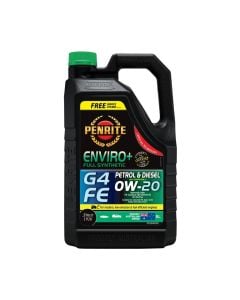
Penrite · Part number EPLUSG4FE005 · NZ$219.27 incl. GST
Right, for those slick European turbocharged beauties like your VW Tiguan, Audi Q5, or SEAT Leon, whether it's purring with a TSI petrol, TDI diesel, or even a mild hybrid, the engine oil is absolutely crucial – it's the very lifeblood keeping those precision bits happy and cool under the bonnet, especially with our tough Kiwi conditions.
Price
NZ$219.27 including GST. Part number EPLUSG4FE005.
Fits these vehicles
- Audi
- Audi A1 (2018+)
- Audi A1 (2018+)
- Audi A1 (2018+)
- Audi A3 (2020+)
- Audi A3 (2020+)
- Audi A3 (2021+)
- Audi A3 (2021+)
- Audi A4 (2016+)
- Audi A4 (2018+)
- Audi A4 (2020+)
- Audi A4 (2020+)
- Audi A4 Allroad (2020+)
- Audi A5 (2016+)
- Audi A5 (2016+)
- Audi A5 (2017+)
- Audi A5 (2017+)
- Audi A5 (2017+)
- Audi A5 (2017+)
- Audi A5 (2017+)
- Audi A5 (2019+)
- Audi A5 (2021+)
- Audi A5 (2021+)
- Audi A6 (2018+)
- Audi A6 (2018+)
- Audi A7 (2017+)
- Audi A7 (2018+)
- Audi A8 (2017+)
- Audi Q2 (2018+)
- Audi Q2 (2018+)
- Audi Q3 (2018+)
- Audi Q3 (2019+)
- Audi Q3 (2019+)
- Audi Q3 (2019+)
- Audi Q3 (2021+)
- Audi Q5 (2016+)
- Audi Q5 (2018+)
- Audi Q5 (2020+)
- Audi Q7 (2019+)
- Audi Q8 (2018+)
Description
Keep Your Euro Humming: The Ultimate Guide to Engine Oil for VW, Audi, and SEAT with Bob's Style Polish!
Hey there, fellow Kiwi car enthusiast! Ever wondered what makes your European turbocharged engine tick, especially when it comes to the oily bits? You've landed in the right spot! Here at Bob's Style Polish, we reckon understanding your engine oil is a no-brainer for keeping your pride and joy running sweet as a nut on our New Zealand roads. Whether you're cruising in a zippy VW Golf, tackling the open road in an Audi Q5, or enjoying the sporty feel of a SEAT Leon, the right engine oil is like gold. It's not just about lubrication; it's about protecting those finely tuned European components from the scorching heat and the tight tolerances that make them so efficient. We're talking about the critical fluid that keeps everything smooth, prevents wear, and ensures your engine delivers that crisp performance you love, mile after mile. Let's dive in and get your Euro sorted with the best advice around!
Why Engine Oil is Your Euro's Best Mate
Think of engine oil as the unsung hero under your bonnet. For modern European turbocharged engines – like those found in your Volkswagen, Audi, or SEAT – it's performing a whole heap of vital jobs:
• Lubrication: Keeping all those fast-moving metal parts from grinding against each other. It's like a silky smooth dance floor for your engine's internals.
• Cooling: Whisking away heat from critical components, especially the turbocharger, which gets seriously hot.
• Cleaning: Picking up deposits and contaminants, holding them in suspension, and carrying them to the oil filter to be trapped. Keeps your engine sparkling clean inside!
• Sealing: Providing a seal between the piston rings and cylinder walls, helping maintain compression and power.
• Corrosion Protection: Guarding against rust and corrosion, which can form from combustion by-products.
The Nitty-Gritty: What Oil Does Your Euro Need?
Modern European engines, particularly those with turbos, are incredibly sophisticated. They demand specific oil formulations to perform their best and meet stringent emissions standards. Using the wrong oil can lead to all sorts of headaches, from reduced performance to costly damage. Always check your vehicle's owner's manual for the exact specifications, but here's a general guide:
• VW 504.00/507.00: This is the big one for many modern VW Group petrol (FSI/TSI) and diesel (TDI) engines, especially those with Diesel Particulate Filters (DPFs). It's a low-SAPS (Sulphated Ash, Phosphorus, Sulphur) oil, crucial for protecting your catalytic converter and DPF.
• ACEA C3: Often specified alongside VW 504.00/507.00, ACEA C3 is another low-SAPS standard for high-performance diesel and petrol engines requiring catalyst compatible oils.
• Viscosity: Common viscosities for these engines include 5W-30 and 0W-30, designed for optimal flow at cold start and robust protection at operating temperatures.
Choosing the Right Oil: Don't Skimp on Quality!
When it comes to engine oil for your European pride and joy, this isn't the place to cut corners. Investing in a premium, spec-compliant oil is always cheaper than fixing engine damage down the track.
• Check the Label: Always look for the exact VW specification (e.g., VW 504.00/507.00) on the oil bottle. Don't just go by 'suitable for European cars' – be specific!
• Consider Your Driving: If you do a lot of short trips, stop-start city driving, or push your car hard, more frequent oil changes and a high-quality oil are even more critical.
DIY Oil Change? Bob's Got Your Back!
Feeling handy? Changing your own oil is a satisfying job and a great way to save a few bucks. Here's a quick rundown of what you'll generally need and the basic steps:
Tools & Materials:
• Your chosen premium engine oil (check your manual for volume!)
• New oil filter (always change the filter with the oil!)
• New drain plug washer (often comes with the filter or drain plug)
• Socket wrench and appropriate socket for the drain plug
• Oil filter wrench (specific type may be needed for cartridge filters)
• Drain pan (large enough for all the old oil)
• Funnel
• Rags or shop towels
• Safety glasses and gloves
• Jack and jack stands (if needed for access) or ramps
Step-by-Step Guide:
1. Warm It Up: Drive your car for 5-10 minutes to warm the oil. Warm oil drains better.
2. Park Safely: Park on a level surface, engage the parking brake, and if lifting, use jack stands or ramps correctly. Safety first, mate!
3. Locate Drain Plug: Find the oil drain plug on the bottom of the oil pan.
4. Drain Oil: Place your drain pan under the plug. Carefully loosen and remove the drain plug, letting the old oil flow out. Be prepared for it to come out quickly!
5. Replace Drain Plug: Once all the oil has drained, clean the drain plug, fit a new washer, and reinsert it. Tighten to the manufacturer's specified torque (don't overtighten!).
6. Change Oil Filter: Locate the oil filter. Place your drain pan underneath, as some oil will spill. Use the oil filter wrench to loosen and remove the old filter. Clean the filter housing/area.
7. Install New Filter: Put a thin film of new oil on the rubber gasket of the new filter. Screw it on by hand until snug, then tighten a further 1/4 to 1/2 turn according to filter instructions. For cartridge filters, replace the element and O-rings.
8. Add New Oil: Using a funnel, carefully pour the new engine oil into the engine's oil filler cap. Add slightly less than the specified amount first.
9. Check Level: Start the engine and let it run for a minute or two to circulate the oil, then switch it off. Wait a few minutes for the oil to settle, then check the level using the dipstick. Top up as needed, being careful not to overfill.
10. Final Checks: Look for any leaks around the drain plug and oil filter. Dispose of the old oil responsibly at an approved collection point.
Got Questions? Bob's Here to Help!
Still scratching your head? No worries! Pop into Bob's Style Polish or give us a shout. We're always keen to help our fellow Kiwis keep their vehicles in tip-top shape. Whether it's advice on the right oil, a new filter, or just a yarn about cars, we're your local experts. Get your engine sorted with Bob's today!
---
🛠️ Bob's Pro Tip: Do the Job Right!
🧰 What Else You'll Need:
• Clean Workspace: Use a dedicated oil drip tray and have a roll of workshop towels ready to catch any spills during the drain.
• Filter Removal: Keep an oil filter wrench or strap wrench handy, as old filters can be stubbornly seized.
• Pre-Lubrication: Smear a tiny dab of fresh engine oil onto the rubber gasket of the new oil filter before spinning it on to ensure a perfect, leak-free seal.
• Clean Hands: Keep Nitrile Gloves and heavy-duty hand cleaner nearby to protect your skin from used motor oil.