Ryco Oil Filter
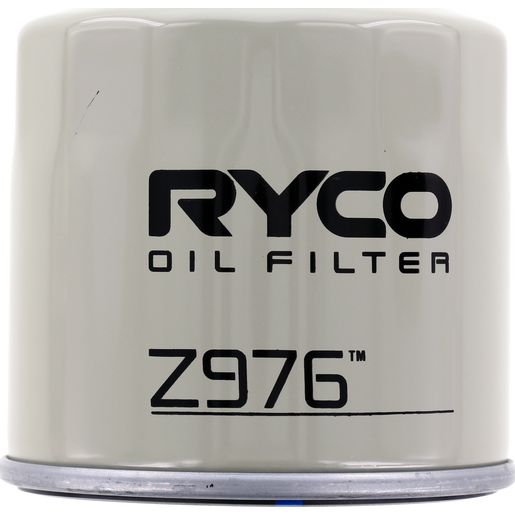
Ryco Filters · Part number Z976 · NZ$100.00 incl. GST
For a huge variety of vehicles, from your trusty daily commuter to a hardworking light commercial van, a fresh Oil Filter is absolutely vital for keeping your engine humming along by catching all the gunk in your engine oil.
Price
NZ$100.00 including GST. Part number Z976.
Description
Oil Filter Replacement Guide — Featuring RYCO: Keep Your Engine Happy!
> An oil filter is the unsung hero of your vehicle's guts, tirelessly sifting out all the nasty bits and pieces from your engine oil. Over time, like any hard worker, these filters get choked up. When that happens, they can't do their job properly, and that's when you start risking some serious wear and tear on your engine, especially with all the different driving conditions we throw at 'em here in Aotearoa.
What Your Engine Might Be Telling You (Listen Up!)
• That pesky engine warning light pops on (could be low oil pressure or just a service reminder).
• Feel like your ride's lost a bit of its oomph, or it's guzzling more petrol than usual?
• Hearing some funny noises from under the bonnet — a tick-tock or a knock-knock?
• Your oil looks like thick, black sludge even after a recent oil change? Not good!
• Spotting any suspicious oil drips or puddles around where the filter sits?
Will This Pass Its WOF Check?
While a clogged oil filter itself isn't going to fail your Warrant of Fitness straight up, the damage it can cause — think smoky exhaust, oil leaks, or a seriously unhappy engine — will absolutely send you back for a re-test. Keeping up with your oil and filter changes isn't just good for your engine's longevity; it's a no-brainer for sailing through that WOF too!
DIY or Workshop?
Difficulty: 4/10 (Most folks can tackle this!)
Estimated Time: A cruisy 30-60 minutes
Tools Required: Oil filter wrench, a trusty drain pan, a socket set (for that drain plug), a brand-new crush washer, plenty of Workshop Rags, and if you need a bit more room, a good jack and sturdy jack stands.
🛠️ Bob's "Get It Done Right" Companion Checklist
Before you dive under the bonnet, a quick word from Bob: Safety first, mate! Always make sure your vehicle is secure on level ground, with the parking brake on and, if you're jacking it up, use sturdy jack stands — never rely solely on a jack! To make this job a breeze and keep things tidy, grab these essentials:
• An oil filter wrench that fits your new filter perfectly.
• A decent oil drain pan to catch all that old oil — no one wants a mess!
• Some engine flush additive can do wonders before you drain the old stuff.
• A stack of Workshop Rags — you'll thank me later for these!
• And for those mucky hands afterwards, a good quality heavy-duty hand cleaner will sort you out.
Expert Recommendation from Bob @ CARFIX
Bob always says it: regular oil and filter changes are the absolute golden rule for keeping your engine purring like a kitten and extending its life. A top-quality filter, like this RYCO Z976, is your engine's best mate, offering maximum protection against all those harmful contaminants. Don't be a penny-pincher when it comes to this critical component! Bob @ CARFIX is always here for a yarn and to help you figure out exactly what bits and bobs your vehicle needs. Pop over to Bob's Shop for a chat — we'll get you sorted!
Fitment Notes
This particular RYCO oil filter is a bit of a generalist, designed to fit a broad range of vehicles. But here's the crucial bit: always, always double-check the specific part number against your vehicle's make, model, and engine type. Even 'universal' filters have their limits, so let's make sure it's a perfect match for your ride!
---
🛠️ Bob's Pro Tip: Do the Job Right!
> If you're replacing this part, make sure you've got the right workshop prep, protection, and safety gear ready. Taking a bit of extra time and using the proper safety stands and cleaners makes all the difference for a professional result!
🧰 What Else You'll Need:
• Safety First: Always secure your vehicle on heavy-duty safety jack stands before working underneath. Never rely solely on a hydraulic jack.
• Clean Hands: Keep a pack of Nitrile Gloves handy to protect your skin from grease, oils, and chemical sprays.
• Preparation: Have microfibre towels and a suitable parts cleaner nearby to keep components clean during installation.