RDA Brakes Standard Disc Brake Rotor Solid 260mm
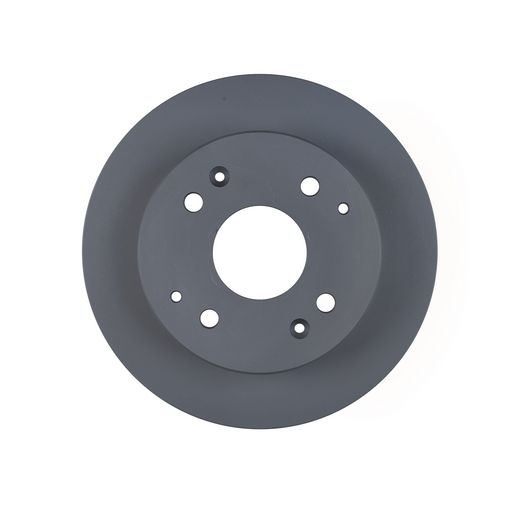
RDA Brakes · Part number RDA471 · NZ$87.00 incl. GST
Disc Brake Rotors, like this trusty RDA option, are the unsung heroes for popular Honda models such as the Accord and Civic, giving your brake pads something solid to grab onto, ensuring you stop safely every time.
Price
NZ$87.00 including GST. Part number RDA471.
Fits these vehicles
- Honda Accord (1989–1993)
- Honda Accord (1989–1993)
- Honda Accord (1989–1993)
- Honda Accord (1989–1993)
- Honda Accord (1990–1993)
- Honda Accord (1990–1993)
- Honda Accord (1990–1993)
- Honda Accord (1990–1993)
- Honda Accord (1990–1994)
- Honda Accord (1991–1993)
- Honda Accord (1992–1993)
- Honda Accord (1992–1993)
- Honda Accord (1993–1997)
- Honda Accord (1993–1997)
- Honda Accord (1993–1997)
- Honda Accord (1993–1997)
- Honda Accord (1993–1997)
- Honda Accord (1993–1997)
- Honda Accord (1993–1998)
- Honda Accord (1993–1998)
- Honda Accord (1994–1997)
- Honda Accord (1995–1996)
- Honda Accord (1996–1997)
- Honda Accord (1997–2002)
- Honda Accord (1997–2002)
- Honda Accord (1997–2002)
- Honda Accord (1997–2002)
- Honda Accord (1997–2003)
- Honda Accord (1998–2002)
- Honda Accord (1998–2003)
- Honda Accord (2001–2003)
- Honda Ascot (1989–1993)
- Honda Ascot (1989–1997)
- Honda Ascot (1993–1997)
- Honda Ascot (1993–1997)
- Honda Ascot Innova (1992–1996)
- Honda Ascot Innova (1992–1996)
- Honda Civic (1995–2000)
- Honda Civic (1995–2001)
- Honda Civic (1996–2000)
Description
Disc Brake Rotor Replacement Guide — Featuring RDA: Keeping Your Honda Stopping True
> Alright, let's talk rotors — those shiny metal discs that spin with your wheels. Every time you hit the brakes, those calipers clamp down, squeezing the pads against these rotors to slow your Honda Accord or Civic right down. It's a tough job, and over time, all that heat and friction can thin 'em out, warp 'em, or carve 'em up with grooves. If you're a daily commuter, you'll know that means your braking power can take a bit of a hit.
Symptoms That Led You Here
• Feeling a judder or pulse through the brake pedal or steering wheel when you slow down?
• Hear any squealing, grinding, or scraping when you hit the anchors?
• Taking a bit longer to stop than it used to?
• Can you see obvious scoring, deep grooves, or weird discolouration on the rotor surface?
• Does your brake pedal feel a bit soft or spongy?
Will it pass WOF?
Nah, not a chance! If your brake rotors are seriously worn, warped, or damaged, your vehicle will be waving goodbye to its Warrant of Fitness (WOF) inspection here in New Zealand. Rotors need to meet strict minimum thickness rules and be completely free from excessive scoring or cracks to ensure your stoppers are up to snuff.
DIY or Workshop?
Difficulty: 6/10 (Moderate)
Estimated Time: 1-2 hours per axle
Tools Required: Jack and jack stands, lug wrench, socket set, torque wrench, C-clamp or brake caliper piston tool, brake cleaner, wire brush, possibly an impact wrench.
🛠️ Bob's "Get It Done Right" Companion Checklist
Before you dive into swapping out those rotors, let's make sure you've got all your ducks in a row and you're keeping things safe and sound. A bit of prep goes a long way!
• Blast Away the Grime: Grab some Brake Cleaner to spray down all that old carbon dust and gunk. Clean parts work best!
• Smooth Operator: Don't forget some anti-seize caliper grease. This helps everything move freely and prevents those annoying squeals.
• Eyes on the Prize: Seriously, wear some Safety Glasses. You don't want any stray bits flying into your peepers.
• Keep 'Em Clean: Heavy-duty Nitrile Gloves are your best mate here. They protect your hands from brake dust and grease, and you'll thank yourself later.
• Never Get Under a Car Supported Only by a Jack! Always use proper jack stands.
Expert Recommendation
Bob @ CARFIX always hammers home this point: if your brake rotors are showing any signs of wear or damage, get 'em replaced! It's all about keeping your braking performance tip-top and, more importantly, keeping you safe on our Kiwi roads. This RDA RDA471 is a cracking choice for a whole bunch of Honda models, giving you solid performance and plenty of durability. Seriously, don't skimp on your brakes — they're the most crucial safety feature you've got! Bob @ CARFIX is always keen for a yarn and can help you figure out exactly what part your Honda needs. Pop over to Bob's Shop for a chat, eh!
Fitment Notes
This specific rotor (RDA471) is designed for the front axle of numerous Honda models, including various generations of the Honda Accord (2001-2003, 1993-1996, 1991-1993), Honda Civic (1995-2001, 1995-2000), Honda Torneo (1999-2002), Honda Vigor (1992-1995, 1991-1993), Honda Ascot (1993-1997), and Honda Inspire (1989-1995). Always double-check your vehicle's specific year, make, and model against the fitment details to ensure compatibility.
---
🛠️ Bob's Pro Tip: Do the Job Right!
🧰 What Else You'll Need:
• Safety First: Never work under a vehicle supported only by a jack. Always secure it on heavy-duty safety jack stands.
• Brake Dust Protection: Keep a pack of Nitrile Gloves handy to protect your hands from grease and dust.
• Clean and Prep: Use Brake Cleaner to clean the anti-corrosion shipping oil off the new rotors before mounting the calipers.
• Lubrication: Apply caliper grease to caliper slide pins and pad contact points to prevent squealing.