Penrite HPR Diesel 10 Semi Synthetic 10W-40 Engine Oil 5L
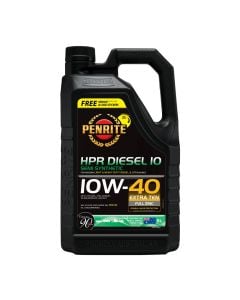
Penrite · Part number HPRD10005 · NZ$118.76 incl. GST
Right then, for those hard-working Kiwi diesels like your trusty Mazda BT-50, the robust Isuzu D-MAX, the steadfast Ford Transit, or even the mighty Mercedes-Benz Sprinter, top-notch engine oil isn't just oil – it's the very lifeblood that keeps those turbos humming, injectors firing true, and bearings safe from the brutal pressures of diesel combustion.
Price
NZ$118.76 including GST. Part number HPRD10005.
Fits these vehicles
- Alfa Romeo 147 (2004–2010)
- Citroen C5 (2001–2004)
- Citroen C5 (2001–2004)
- Citroen C5 (2001–2004)
- Citroen C5 (2001–2004)
- Citroen C5 (2001–2004)
- Citroen C5 (2001–2004)
- Citroen C5 (2002–2004)
- Citroen C5 (2002–2004)
- Citroen C5 (2004–2006)
- Citroen C5 (2004–2008)
- Citroen C5 (2006–2008)
- Citroen Xsara (1997–2000)
- Citroen Xsara (1997–2000)
- Citroen Xsara (1998–2000)
- Fiat Ducato (1994–2002)
- Fiat Ducato (1994–2002)
- Fiat Ducato (1994–2002)
- Fiat Ducato (1994–2002)
- Fiat Ducato (1994–2002)
- Fiat Ducato (1994–2002)
- Fiat Ducato (1994–2002)
- Fiat Ducato (1994–2002)
- Fiat Ducato (1994–2002)
- Fiat Ducato (1994–2002)
- Fiat Ducato (1994–2002)
- Fiat Ducato (1995–2002)
- Fiat Ducato (1997–2002)
- Fiat Ducato (1998–2001)
- Fiat Ducato (1998–2001)
- Fiat Ducato (1998–2002)
- Fiat Ducato (1998–2002)
- Fiat Ducato (1999–2002)
- Fiat Ducato (1999–2002)
- Fiat Ducato (2000–2002)
- Fiat Ducato (2000–2002)
- Fiat Ducato (2001–2002)
- Fiat Ducato (2001–2006)
- Fiat Ducato (2001–2006)
- Fiat Ducato (2001–2006)
Description
Engine Oil Change for Your Diesel Workhorse — Keep It Humming, Kiwi Style!
> Let's be real, diesel engines in Aotearoa work harder than a one-legged man in a bum-kicking contest. They face way more heat and grunt than petrol engines, with soot, fuel dilution, and turbo demands chewing through oil faster than a hungry possum through a kumara patch. Whether you're towing the boat with your Mazda BT-50, delivering goods in your Mercedes-Benz Sprinter, or running the farm in your Isuzu D-MAX, getting that oil spec right and changing it on time is absolutely critical to keeping your engine alive and kicking for years to come.
Symptoms That Led You Here
• Increased engine noise, particularly tappet or bearing rattle on cold starts
• Black, gritty oil on the dipstick indicating soot saturation
• Turbo whistle changes or lag suggesting oil starvation to bearings
• Blue-grey exhaust smoke pointing to oil burning past worn seals
• Oil pressure warning light flickering at idle
• Reduced fuel economy as internal friction increases
• DPF regeneration cycles becoming more frequent due to contaminated oil
Will it pass WOF?
While oil condition isn't directly tested during a NZ Warrant of Fitness inspection, the consequences of neglected oil absolutely are. Excessive exhaust smoke from oil burning will fail emissions visual checks, and catastrophic engine damage from oil starvation can cause fluid leaks that constitute a WOF failure. Diesel particulate filter issues stemming from incorrect oil specification can also trigger warning lights that may require investigation.
DIY or Workshop?
Difficulty: 3/10 | Time: 30-45 minutes | Tools: Drain pan, correct socket for sump plug, oil filter wrench, funnel, torque wrench
Diesel oil changes are straightforward for confident DIYers with the right setup. The critical factors are using the exact specification oil (check your manual for ACEA ratings like C3 or manufacturer-specific approvals), replacing the oil filter simultaneously, and disposing of waste oil responsibly at your local transfer station. For vehicles like the Sprinter or Transit with underslung filters, access can be tighter. Commercial operators may prefer workshop service for documentation and warranty compliance.
Expert Recommendation
Bob and the CARFIX team consistently recommend staying ahead of oil change intervals on diesel vehicles, particularly those working hard in NZ conditions—dust, towing, and short urban trips all accelerate oil degradation. The Penrite range offers quality diesel-specific formulations with the correct additive packages for modern emission systems. Getting the spec right matters more than the brand—wrong oil in a DPF-equipped diesel can cause thousands in damage.
Bob @ CARFIX is always on hand to help you work out exactly what oil grade and quantity you need for your Ute, van, or SUV. Make sure you head over to Bob's Shop for a chat!
Fitment Notes
• Always verify ACEA rating and manufacturer approvals (e.g., MB 229.51 for Mercedes diesels, Ford WSS-M2C913 for Transit/Ranger)
• Sump capacities vary significantly: BT-50 and D-MAX typically require 7-8 litres with filter, Sprinter up to 10+ litres
• Earlier common-rail diesels (pre-DPF) like the 1990s Ducato and Laguna have different oil requirements than modern low-SAPS formulations
• Turbo diesel vehicles benefit from slightly shorter intervals than manufacturer maximums, especially under towing or dusty conditions
• Check for updated service bulletins—some vehicles like early D-MAX had revised oil specifications issued after production
---
🛠️ Bob's Pro Tip: Do the Job Right!
🧰 What Else You'll Need:
• Clean Workspace: Use a dedicated oil drip tray and have a roll of workshop towels ready to catch any spills during the drain.
• Filter Removal: Keep an oil filter wrench or strap wrench handy, as old filters can be stubbornly seized.
• Pre-Lubrication: Smear a tiny dab of fresh engine oil onto the rubber gasket of the new oil filter before spinning it on to ensure a perfect, leak-free seal.
• Clean Hands: Keep Nitrile Gloves and heavy-duty hand cleaner nearby to protect your skin from used motor oil.