TRW Brake Pads Set
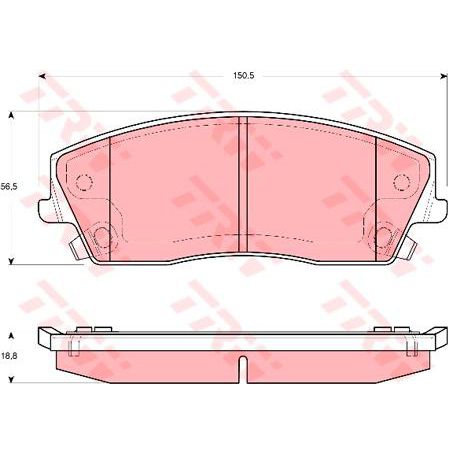
TRW · Part number GDB4140 · NZ$410.00 incl. GST
For your high-performance American muscle cars like the Dodge Challenger and Chrysler 300C, these brake pads are the bee's knees, providing that essential stopping power for both your daily commute and when you're letting rip on the open road.
Price
NZ$410.00 including GST. Part number GDB4140.
Fits these vehicles
- Chrysler 300C (2005–2010)
- Chrysler 300C (2011+)
- Chrysler 300C (2011+)
- Chrysler 300C (2011+)
- Dodge Challenger (2008–2010)
- Dodge Challenger (2008–2023)
- Dodge Challenger (2010–2023)
- Dodge Challenger (2011+)
- Dodge Charger (2005–2008)
- Dodge Charger (2005–2010)
- Dodge Charger (2008–2010)
Description
Brake Pad Swap Guide — With a Nod to TRW
> Right then, let's talk about those stoppers! Brake pads are absolutely crucial for your beast, working hard to grab those rotors and turn all that go-fast energy into heat, bringing you to a safe halt. Especially for powerful American legends like the Dodge Challenger and Chrysler 300C, these pads take a real hammering, particularly when you're hitting the anchors hard or having a bit of fun. Naturally, they wear down over time, just like your favourite pair of gumboots.
Signs It's Time for a Gander Underneath
• Hear any squealing or grinding when you hit the brakes? That's a classic sign.
• Taking a bit longer to pull up than usual?
• Feeling a judder or pulse through the brake pedal?
• Brake pedal feeling a bit soft or spongy, like a tired old sponge cake?
• Can you visually see the pad material getting thin? Less than 3mm left means it's time.
Will it pass WOF?
No, mate! Worn brake pads are a serious safety no-no and will definitely see your vehicle fail its Warrant of Fitness (WOF) inspection here in New Zealand. You need good, thick pads and a proper working brake system for WOF compliance — no two ways about it.
DIY or Workshop?
Difficulty: 6/10 (A bit of a challenge, but totally doable for the keen DIYer)
Estimated Time: 1-2 hours per axle (Settle in with a good cuppa)
Tools Required: Jack and sturdy jack stands (safety first!), lug wrench, C-clamp or a proper brake caliper piston tool, a good socket set, a torque wrench (don't skimp on this!), brake cleaner, and maybe a wire brush for a bit of a scrub.
🔨 Bob's "Get It Done Right" Companion Checklist
Before you dive in, let's grab a few bits and bobs to make this job a breeze and keep you safe:
• Brake Cleaner: Essential for blasting away brake dust and grime. Keep those components spotless!
• Anti-seize caliper grease: A dab of this on the caliper pins will keep things moving smoothly and prevent seizing down the track.
• Safety Glasses: Don't muck around with your eyes, mate. Always wear these when you're under the car or spraying cleaners.
• Heavy-Duty Nitrile Gloves: Keep your mitts clean and protected from all that brake dust and grease. Your hands will thank you later!
Expert Recommendation
Bob @ CARFIX always reckons you should sort out those brake pads at the first hint of wear or if they're not performing as they should — it's all about keeping you safe and sound. These TRW GDB4140 brake pads? They're a top-quality pick, known for their performance and built tough enough for your Dodge Challenger or Chrysler 300C. Bob @ CARFIX is always keen for a yarn, so pop into the shop for a chat and he'll help you pinpoint exactly what your American muscle car needs. Come on down and say G'day!
Fitment Notes
These pads are tailor-made for various models of the Dodge Challenger (from 2008 right up to 2023), Chrysler 300C (2005-2011 and beyond), and Dodge Charger R/T and SRT8 (2005-2010). Just be a good bugger and double-check your exact year and model to make sure they're a perfect match. Specifications can be a bit tricky, even within the same model run.
---
🛠️ Bob's Pro Tip: Do the Job Right!
> DBA2444X)](/parts/DBA2444X) to ensure a perfect bed-in and get the job done properly first time!
🧰 What Else You'll Need:
• Safety First: Never work under a vehicle supported only by a jack. Always secure it on heavy-duty safety jack stands.
• Brake Dust Protection: Brakes get incredibly dirty. Keep a pack of Nitrile Gloves handy to protect your hands from stubborn brake dust.
• Clean and Prep: Use a high-quality Brake Cleaner spray to blast away stubborn dust, oil, and road grime from the caliper assembly and new rotors before reassembly.
• Lubrication: Apply a thin smear of high-temperature caliper grease to the pad backing plates and slide pins (keep it off the pad friction material!) to prevent squeals and ensure smooth caliper operation.