TRW Brake Pad Set Inc. Wear Sensor
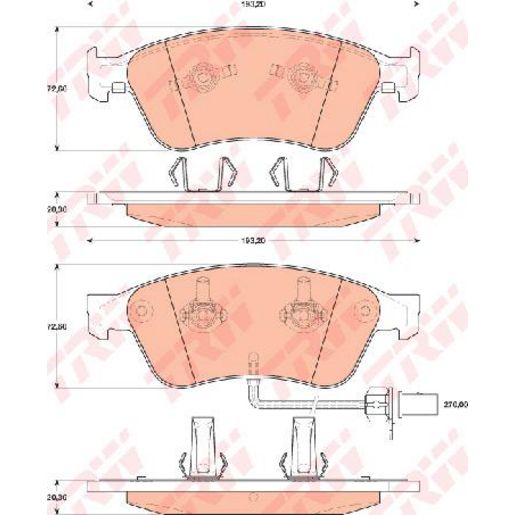
TRW · Part number GDB1811 · NZ$484.00 incl. GST
For your Audi A8 – whether it's the grunty W12, the no-nonsense TDI diesel, or the smooth FSI petrol from 2003-2010 – top-notch brake pads are an absolute must to keep that big luxury beast stopping confidently on our Kiwi roads.
Price
NZ$484.00 including GST. Part number GDB1811.
Fits these vehicles
- Audi A8 (2003–2010)
- Audi A8 (2003–2010)
- Audi A8 (2003–2010)
- Audi A8 (2005–2010)
- Audi A8 (2005–2010)
- Audi A8 (2005–2010)
- Audi A8 (2007–2010)
Description
Keep Your Audi A8 Stopping Sweet as with TRW Brake Pads
> Right, let's talk stoppers for your Audi A8. These aren't just any old cars; they're heavy-duty luxury cruisers, built for chewing up the miles. That means the brake pads work overtime, especially with the weight of that W12 or the torque of the TDI. When those pads get thin—we're talking under 3mm—your stopping power goes out the window, and you risk metal-on-metal action, which is a one-way ticket to trashed rotors. Don't be that guy!
Symptoms That Led You Here
• High-pitched squealing or grinding noise when braking
• Longer stopping distances than usual
• Brake pedal feels spongy or travels further before engaging
• Vehicle pulls to one side under braking
• Visible wear indicator showing on the pad edge
• Dashboard brake warning light illuminated
Will it pass WOF?
No. New Zealand WOF requirements mandate brake pads have a minimum of 1.5mm friction material remaining, with no cracks, contamination, or uneven wear. Audi A8 models with worn pads will fail inspection. Given the A8's weight and performance envelope, replacing pads well before this minimum threshold is strongly advised for safety.
DIY or Workshop?
Difficulty: 6/10 | Time: 1.5-2.5 hours | Tools: Jack, axle stands, 17mm & 21mm sockets, brake caliper wind-back tool, torque wrench, brake cleaner
The Audi A8's complex multi-link suspension and electronic parking brake system (on later models) add complexity. You'll need a diagnostic tool to retract the rear caliper pistons on EPB-equipped variants. Front pads are more straightforward but require care with the heavy brake components. If you're not confident working on European brake systems, a workshop visit is worthwhile.
Expert Recommendation
Your Audi A8 was built for zooming along the autobahn, which means its brakes are designed to work hard—especially with our New Zealand hills and unpredictable weather. Worn pads will totally mess with the fancy ABS and ESP systems these cars rely on. We reckon the TRW GDB1811 is a solid, OE-spec choice that'll keep your Audi stopping just like it should. Bob @ CARFIX is always on hand to help you work out exactly what pad compound suits your Audi A8's driving conditions—whether you're doing motorway miles or tackling the Rimutakas. Make sure you head over to Bob's Shop for a chat!
Fitment Notes
• Confirmed fitment for Audi A8 W12 (2003-2010), A8 TDI (2003-2010, 2005-2010), and A8 FSI (2005-2010, 2007-2010)
• Verify front versus rear application before ordering—this listing may be axle-specific
• D3 platform A8 models may have different pad shapes for standard versus ceramic brake options
• Always replace pads as a complete axle set (both sides) for even braking performance
• Inspect rotors for scoring or minimum thickness when replacing pads
---
🛠️ Bob's Pro Tip: Do the Job Right!
> If you're swapping out these parts on your vehicle, don't skimp on fresh rotors. Check out our compatible TRW Disc Brake Rotors (SKU DF2806S) to ensure a perfect bed-in and get the job done properly first time!
🧰 What Else You'll Need:
• Safety First: Never work under a vehicle supported only by a jack. Always secure it on heavy-duty safety jack stands.
• Brake Dust Protection: Brakes get incredibly dirty. Keep a pack of Nitrile Gloves handy to protect your hands from stubborn brake dust.
• Clean and Prep: Use a high-quality Brake Cleaner spray to blast away stubborn dust, oil, and road grime from the caliper assembly and new rotors before reassembly.
• Lubrication: Apply a thin smear of high-temperature caliper grease to the pad backing plates and slide pins (keep it off the pad friction material!) to prevent squeals and ensure smooth caliper operation.