TRW DTEC Ceramic Brake Pads Set (DB1763)
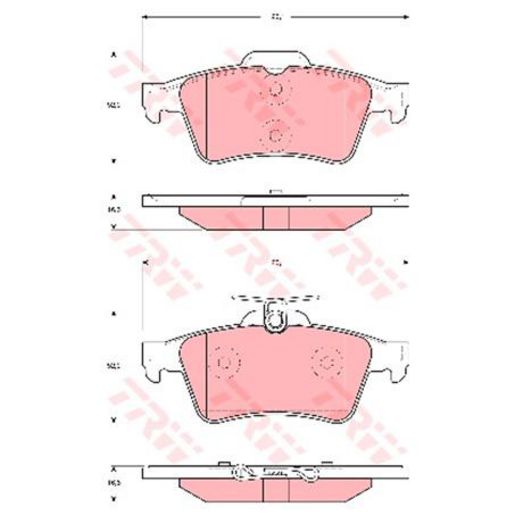
TRW · Part number GDB1621DT · NZ$125.00 incl. GST
Is that tell-tale metallic squeal getting louder from your rear wheels, especially when it's a bit wet out? Sounds like your brake pads are waving goodbye! Don't get gutted by a WOF fail; swapping them yourself is a no-brainer and a real wallet-saver.
Price
NZ$125.00 including GST. Part number GDB1621DT. Out of stock right now - back on sale when supplier stock returns.
Fits these vehicles
- Cadillac Bls (2007–2010)
- Cadillac Bls (2007+)
- Cadillac Cts (2008–2009)
- Chevrolet Vectra (2002–2004)
- Chevrolet Vectra (2005–2006)
- Citroen C5 (2004–2008)
- Citroen C5 (2008–2009)
- Citroen C5 (2008–2009)
- Citroen C5 (2008–2009)
- Citroen C5 (2008–2010)
- Citroen C5 (2008–2010)
- Citroen C5 (2008–2010)
- Citroen C5 (2008–2010)
- Citroen C5 (2008–2010)
- Citroen C5 (2008–2010)
- Citroen C5 (2008–2011)
- Citroen C5 (2008–2011)
- Citroen C5 (2008–2014)
- Citroen C5 (2008–2014)
- Citroen C5 (2008–2014)
- Citroen C5 (2008–2014)
- Citroen C5 (2008–2015)
- Citroen C5 (2009–2014)
- Citroen C5 (2009–2014)
- Citroen C5 (2009–2015)
- Citroen C5 (2009–2016)
- Citroen C5 (2009–2016)
- Citroen C5 (2009–2016)
- Citroen C5 (2009–2017)
- Citroen C5 (2010–2012)
- Citroen C5 (2010–2012)
- Citroen C5 (2010–2015)
- Citroen C5 (2010–2015)
- Citroen C5 (2010–2015)
- Citroen C5 (2010–2015)
- Citroen C5 (2010–2016)
- Citroen C5 (2012–2015)
- Citroen C5 (2012–2015)
- Citroen C5 (2015–2017)
- Citroen C5 (2015–2017)
Description
Give Your Brakes a Hug: DIY Rear Pad Replacement!
Are your rear brake pads singing the blues? Hearing that dreaded metallic squeal, especially in damp conditions? Getting a WOF fail because your stoppers are shot is a real drag, but trust us, sorting this yourself is way easier than you think – and it'll save you a pretty penny on workshop labour.
These TRW GDB1621DT rear brake pads are your ticket to getting back on the road safely, designed as a direct, no-fuss replacement for your worn-out set. TRW isn't just any brand; they're a trusted OEM supplier, meaning you're getting top-notch quality that's right up there with your factory pads, just without the hefty price tag. We're talking an optimised friction formula that keeps things quiet and lasts the distance. They meet or even go beyond the original equipment manufacturer standards, guaranteeing you reliable stopping power every single time.
When Do You Need New Rear Brake Pads?
• Squealing Noises: A high-pitched squeal when braking is a classic sign your pads are getting thin. The sound is coming from the wear indicator touching the rotor.
• Grinding Noises: If the squeal turns into a grinding sound, it means you've worn through the pad material completely, and the metal backing plate is rubbing against the rotor. This requires immediate attention as it can damage the rotors.
• Reduced Braking Performance: If you notice that your car takes longer to stop, or the brake pedal feels soft or spongy, it could be due to worn brake pads.
• WOF Failure: The easiest way to know? Got pinged at WOF time. If your brake pads are below the minimum thickness requirement during your Warrant of Fitness inspection, you'll need to replace them to pass.
Fitting Them Yourself
Swapping rear brake pads is a straightforward job you can handle at home with basic tools. Here’s what you’ll need:
• New TRW GDB1621DT brake pads
• Jack and Jack stands
• Wheel wrench
• Socket set and wrench set
• Brake cleaner
• C-clamp or brake piston compression tool
Safety First: Always use jack stands when working under your vehicle. Never rely solely on the jack. Brakes are safety-critical – if you're not comfortable doing the job, get a professional to handle it.
The Upshot: You could pay a workshop $200+ to do this job. Or you could handle it yourself in under an hour, save the money, and know the job's done right.
You'll feel pretty good knowing you just saved yourself some money and kept your car safely on the road—now that’s the kind of person you are. Bob's your uncle, and your brakes are sorted!
---
🛠️ Bob's Pro Tip: Do the Job Right!
> If you're swapping out these parts on your vehicle, don't skimp on fresh rotors. Check out our compatible TRW Disc Brake Rotors (SKU DF4227S) to ensure a perfect bed-in and get the job done properly first time!
🧰 What Else You'll Need:
• Safety First: Never work under a vehicle supported only by a jack. Always secure it on heavy-duty safety jack stands.
• Brake Dust Protection: Brakes get incredibly dirty. Keep a pack of Nitrile Gloves handy to protect your hands from stubborn brake dust.
• Clean and Prep: Use a high-quality Brake Cleaner spray to blast away stubborn dust, oil, and road grime from the caliper assembly and new rotors before reassembly.
• Lubrication: Apply a thin smear of high-temperature caliper grease to the pad backing plates and slide pins (keep it off the pad friction material!) to prevent squeals and ensure smooth caliper operation.