BOSCH SPARK PLUG - (STANDARD)
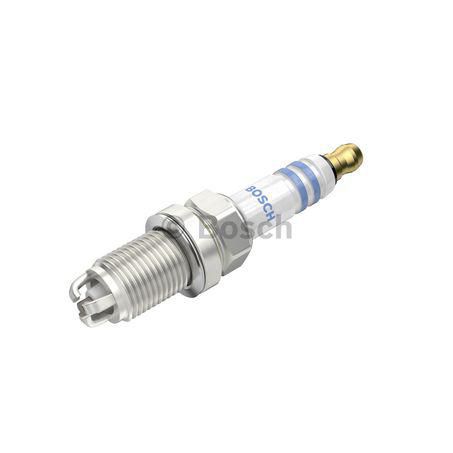
Bosch · Part number FR7KTC · NZ$34.00 incl. GST
G'day mate, for your supercharged Mercedes-Benz Kompressor models like the C-Class, CLK, E-Class, and SLK from the late 90s to early 2000s, getting the right spark plugs is an absolute must, as these little legends need to handle some serious heat and pressure to keep that power smooth and your fuel bill looking sweet.
Price
NZ$34.00 including GST. Part number FR7KTC.
Fits these vehicles
- Mercedes-Benz C-Class (1995–2000)
- Mercedes-Benz C-Class (1995–2000)
- Mercedes-Benz C-Class (1996–2000)
- Mercedes-Benz C-Class (1996–2001)
- Mercedes-Benz C-Class (1997–2000)
- Mercedes-Benz Clk (1997–2000)
- Mercedes-Benz Clk (1997–2000)
- Mercedes-Benz Clk (1998–2000)
- Mercedes-Benz Clk (1998–2000)
- Mercedes-Benz E-Class (1997–2002)
- Mercedes-Benz E-Class (1997–2003)
- Mercedes-Benz Slk (1996–2000)
- Mercedes-Benz Slk (1996–2000)
Description
Give Your Kompressor Its Spark Back with BOSCH!
> Right then, let's talk spark plugs. In your supercharged Kompressor Mercedes-Benz, these little workhorses are under the pump, igniting the air-fuel mix under way more pressure and heat than your average engine. When they start to fizzle out, you'll feel it: rough idling, a bit of a cough when you accelerate, and that smooth Euro ride goes a bit pear-shaped. Don't let worn-out plugs turn your pride and joy into a bit of a dog!
Symptoms That Led You Here
• Rough or lumpy idle, especially when cold
• Hesitation or stumbling during acceleration
• Noticeable drop in fuel economy
• Engine misfires or check engine light (often P0300-P0304 codes)
• Difficulty starting, particularly in damp NZ winter conditions
• Subtle loss of that characteristic Kompressor boost response
Will it pass WOF?
Spark plugs themselves aren't a direct WOF inspection item, but the symptoms of worn plugs—such as excessive emissions, misfires triggering warning lights, or poor engine performance—can cause your Mercedes to fail emissions testing or the visual inspection. Keeping ignition components in good order ensures your Kompressor runs cleanly and passes without drama.
DIY or Workshop?
Difficulty: 5/10 | Time: 45-90 minutes | Tools: 10mm socket, spark plug socket (16mm typically for these engines), torque wrench, extension bar, dielectric grease
Kompressor four-cylinder engines (M111 series) have reasonable spark plug access compared to V6 or V8 Mercedes models. The main challenge is working around the supercharger intake plumbing and ensuring correct torque on aluminium heads—over-tightening strips threads, under-tightening causes compression leaks. If you're comfortable with basic hand tools and patient enough to gap-check (if required) and apply anti-seize correctly, this is achievable at home. Otherwise, a workshop familiar with European vehicles will complete this efficiently.
Expert Recommendation
CARFIX and Bob recommend replacing spark plugs on Kompressor engines every 30,000-40,000 km or sooner if symptoms appear—forced induction accelerates wear compared to standard engines. The BOSCH FR7KTC is an excellent OE-specification choice, engineered in Germany with the precise heat range and electrode materials these supercharged engines demand. Genuine ignition performance keeps your Mercedes delivering that smooth, refined power Kompressor models are known for.
Bob @ CARFIX is always on hand to help you work out exactly what spark plugs you need for your Mercedes-Benz Kompressor. Make sure you head over to Bob's Shop for a chat!
Fitment Notes
• Confirmed fitment for M111 Kompressor engines in C-Class (W202), CLK (W208), E-Class (W210), and SLK (R170) from 1995-2003
• Always verify engine code—some later models transitioned to different ignition systems
• Kompressor engines are sensitive to incorrect heat range plugs; stick to OE specifications
• Replace all four plugs simultaneously for balanced combustion
• Inspect ignition leads/coil packs while access is available—common failure items on 20+ year old vehicles
---
🛠️ Bob's Pro Tip: Do the Job Right!
> If you're replacing this spark plug, make sure you've got the right workshop prep, protection, and safety gear ready. Taking a bit of extra time and using the proper safety stands and cleaners makes all the difference for a professional result!
🧰 What Else You'll Need:
• Safety First: Always secure your vehicle on heavy-duty safety jack stands before working underneath. Never rely solely on a hydraulic jack.
• Clean Hands: Keep a pack of Nitrile Gloves handy to protect your skin from grease, oils, and chemical sprays.
• Preparation: Have microfibre towels and a suitable parts cleaner nearby to keep components clean during installation.