Penrite Enviro+ 5W-40 Engine Oil 10L
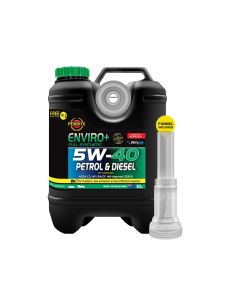
Penrite · Part number EPLUS5W40010 · NZ$276.00 incl. GST
Right then, for everything from the trusty Mercedes-Benz Sprinter workhorse that keeps our economy humming, to the sleek BMW 335d tearing up the tarmac, and even the plush Mercedes S-Class, the right engine oil is the absolute lifeblood, keeping those complex Euro engines purring and protecting 'em from turning into a sad paperweight.
Price
NZ$276.00 including GST. Part number EPLUS5W40010.
Fits these vehicles
- Abarth 124 (2016+)
- Alfa Romeo 159 (2005–2011)
- Alfa Romeo 159 (2006–2011)
- Alfa Romeo 159 (2007–2011)
- Alfa Romeo 159 (2007–2011)
- Alfa Romeo 159 (2007–2011)
- Alfa Romeo 159 (2007–2012)
- Alfa Romeo 159 (2009–2011)
- Alfa Romeo 159 (2009–2012)
- Alfa Romeo 4C (2013–2020)
- Alfa Romeo 4C Spider (2014–2020)
- Alfa Romeo Brera (2009–2010)
- Alfa Romeo Giulia (2020+)
- Alfa Romeo Giulietta (2010–2013)
- Alfa Romeo Giulietta (2010–2016)
- Alfa Romeo Giulietta (2010–2018)
- Alfa Romeo Giulietta (2010–2020)
- Alfa Romeo Giulietta (2011–2017)
- Alfa Romeo Giulietta (2011–2017)
- Alfa Romeo Giulietta (2013–2018)
- Alfa Romeo Giulietta (2014–2018)
- Alfa Romeo Mito (2008–2011)
- Alfa Romeo Mito (2008–2013)
- Alfa Romeo Mito (2009–2014)
- Alfa Romeo Mito (2009–2016)
- Alfa Romeo Mito (2009–2018)
- Alfa Romeo Mito (2009–2018)
- Alfa Romeo Mito (2013–2018)
- Alfa Romeo Spider (2009–2011)
- Alfa Romeo Stelvio (2017+)
- Audi A3 (1996–2003)
- Audi A3 (1996–2003)
- Audi A3 (2000–2003)
- Audi A3 (2003–2009)
- Audi A3 (2003–2012)
- Audi A3 (2004–2009)
- Audi A3 (2004–2013)
- Audi A3 (2005–2008)
- Audi A3 (2005–2008)
- Audi A3 (2006–2008)
Description
Engine Oil Swap: Keep Your Euro Rig Happy, Kiwi Style!
> Engine oil's a bit like a good cuppa; it goes off. Over time, it gets hammered by heat, oxidation, and all sorts of crud, losing its mojo and ability to protect your engine. And let's be fair, those European beauties — from the mighty turbo-diesel Mercedes Sprinter lugging gear across our stunning Aotearoa to the twin-turbo BMW 335d carving up those Coromandel bends — they demand oil that truly hits their specific, high-tech standards. It's all about looking after those super-tight tolerances, keeping DPF systems clear, and making sure those clever variable valve timing bits don't pack up!
Is Your Rig Whinging?
• Engine sounding a bit rougher than usual, especially when it's chilly out?
• That oil pressure light flickering like a faulty Christmas tree?
• Dipstick showing black, gritty sludge instead of nice, clear amber oil?
• Suddenly guzzling more petrol or diesel without you changing your driving habits?
• Turbo feeling a bit sluggish, or the throttle response not as snappy?
• Seeing blue-grey smoke out the back? Not a good sign, mate.
• Service light glaring at you from the dash?
WOF Check-Up?
Nah, the WOF won't directly flunk you for dodgy oil. But if your engine's leaking oil all over the show, making a mess of the environment, or puffing out smoke that's blocking visibility, then yeah, that's a straight-up WOF fail. More importantly, skipping those oil changes is a surefire way to absolutely trash your engine — and that's a far bigger headache (and hit to the wallet) than just doing the regular maintenance.
DIY or Call in the Cavalry?
Difficulty: 3/10 (Easy-peasy with the right gear!) | Time: 30-45 minutes | Tools: Drain pan, the right socket for your sump plug, oil filter wrench, funnel, torque wrench
Most European vehicles are a bit particular; they often need specific torque settings for the drain plug and a fresh crush washer. If you've got a Sprinter or Transporter, ramps make life a whole lot easier given their ground clearance. For those low-slung stunners like an Audi A4, you'll definitely need some sturdy jack stands. And this is crucial: ALWAYS double-check the exact oil specification (like MB 229.51, VW 507.00, or BMW LL-04) before you buy. Chucking in the wrong stuff can absolutely ruin DPF systems and even void your warranty. No one wants that, eh?
Bob's Top Tip
Bob and the CARFIX crew reckon you should always stick to what the manufacturer says. For turbo-diesels under our tough Kiwi conditions, that usually means every 10,000-15,000km — or even sooner if you're towing heavy loads or slogging it through dusty farm tracks. These Euro engines are built with super-fine tolerances, and they genuinely suffer when the oil goes off. So whether you're keeping a Sprinter fleet on the road or making sure your weekend Lamborghini Murciélago is purring like a kitten, getting the right viscosity and OEM approval is a non-negotiable. Bob @ CARFIX is always here, ready for a yarn, to help you figure out exactly what oil your European pride and joy needs. Pop over to Bob's Shop for a chat, you won't regret it!
Quick Notes for Your Ride
• That Mercedes-Benz Sprinter 314 CDI? It'll need MB 229.51 or 229.52 spec oil to play nice with its DPF.
• The BMW 335d twin-turbo diesel demands BMW Longlife-04 rated oil to protect its fancy high-pressure fuel system.
• VW Transporter TDI models are after VW 507.00 spec, whether they're pumpe-düse or common-rail.
• Holden Caprice V6 and Opel Insignia Turbo are usually a bit more flexible with broader API/ACEA ratings.
• Always confirm how much oil your sump holds! Sprinters can take 7-9L depending on the filter, way more than your average car.
• For exotic beasts like a Murciélago, just stick to the factory-specified intervals, no matter the kilometres.
FAQs from the Workshop Floor
Q: What's the damage if I chuck the wrong oil in my European diesel?
A: If you're not using oil with the correct ACEA C3 or the specific manufacturer ratings (like VW 507.00), you're basically asking for trouble. Too much ash content will clog up your Diesel Particulate Filter (DPF) faster than a dropped snag at a BBQ. We're talking thousands of dollars for a new DPF and your car limping home. Not ideal, mate.
Q: How often should I change the oil in my Mercedes Sprinter if I'm using it for trade work around NZ?
A: Look, if you're giving that Sprinter a solid workout in NZ — lots of short trips, towing, or kicking up dust on those rural roads — you should probably halve the standard 20,000km interval. Aim for 10,000-12,000km. It'll save your turbocharger bearings and stop those injectors getting gunked up.
Q: Can I mix different brands of engine oil if I'm just topping up?
A: If the oils are exactly the same spec (same viscosity and OEM approval), a quick top-up is generally fine in a pinch. But different brands often have slightly different additive packages, which might make the overall protection a bit less effective. Ideally, for a full change, stick to one brand; it's just better practice.
Q: Why does my BMW 335d seem to drink more oil than I'd expect between services?
A: Ah, the N54 and N57 twin-turbo engines are known for a bit of a thirst — BMW themselves say up to 1L per 1,500km is acceptable. If it's drinking more than that, it's worth getting it checked out. Could be turbo seal wear or valve stem seals starting to give up the ghost.
Q: Is synthetic oil really necessary for an older European car, like a 1995 Audi A4?
A: While those older engines were designed for mineral oils, a good quality synthetic offers awesome protection on those frosty NZ mornings and handles the heat a lot better. Just a heads-up though: if your seals are already a bit tired, synthetics can sometimes highlight existing leaks in high-mileage engines. So, make sure your seals are in good nick first!
---
🛠️ Bob's Pro Tip: Do the Job Right!
🧰 What Else You'll Need:
• Clean Workspace: Use a dedicated oil drip tray and have a roll of workshop towels ready to catch any spills during the drain.
• Filter Removal: Keep an oil filter wrench or strap wrench handy, as old filters can be stubbornly seized.
• Pre-Lubrication: Smear a tiny dab of fresh engine oil onto the rubber gasket of the new oil filter before spinning it on to ensure a perfect, leak-free seal.
• Clean Hands: Keep Nitrile Gloves and heavy-duty hand cleaner nearby to protect your skin from used motor oil.