Penrite Enviro+ 5W-30 Engine Oil 7L
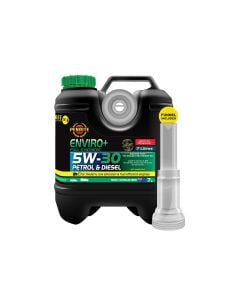
Penrite · Part number EPLUS5W30007 · NZ$237.00 incl. GST
For your European diesel beast — think VW Golf TDI, Mercedes-Benz Sprinter, BMW X3, or Jeep Grand Cherokee CRD — premium engine oil isn't just a recommendation, it's the lifeblood, providing critical lubrication and protection against the brutal pressures and scorching temps these modern turbo-diesels churn out.
Price
NZ$237.00 including GST. Part number EPLUS5W30007.
Fits these vehicles
- Audi A1 (2010–2015)
- Audi A1 (2010–2015)
- Audi A1 (2010–2015)
- Audi A1 (2011–2015)
- Audi A1 (2011–2015)
- Audi A1 (2011–2015)
- Audi A1 (2011–2015)
- Audi A1 (2011–2015)
- Audi A1 (2011–2015)
- Audi A1 (2012–2015)
- Audi A1 (2012–2015)
- Audi A1 (2012–2015)
- Audi A1 (2014–2018)
- Audi A1 (2014–2018)
- Audi A1 (2014–2018)
- Audi A1 (2014–2018)
- Audi A1 (2015–2018)
- Audi A1 (2015–2018)
- Audi A1 (2015–2018)
- Audi A1 (2015–2018)
- Audi A1 (2018+)
- Audi A1 (2018+)
- Audi A1 (2018+)
- Audi A1 (2019–2022)
- Audi A1 (2019–2022)
- Audi A3 (1996–2003)
- Audi A3 (1996–2003)
- Audi A3 (1996–2003)
- Audi A3 (1996–2003)
- Audi A3 (1998–2003)
- Audi A3 (1998–2003)
- Audi A3 (1999–2002)
- Audi A3 (2000–2003)
- Audi A3 (2001–2003)
- Audi A3 (2003–2012)
- Audi A3 (2003–2012)
- Audi A3 (2004–2012)
- Audi A3 (2004–2012)
- Audi A3 (2004–2013)
- Audi A3 (2004–2013)
Description
Engine Oil Swap Out Guide — Featuring Penrite
> Alright, let's talk about the black gold that keeps your turbo-diesel singing: engine oil. It's not just a lubricant; it's your engine's best mate, slashing metal-on-metal grind, whisking away the fiery heat of combustion, and keeping all those nasty bits of gunk suspended so they don't muck up your motor. Especially for those precision-engineered European diesels — like your trusty VW Golf TDI, the hard-working Mercedes-Benz Sprinter, or the grunty BMW X3 — chucking in the wrong oil is like asking for a world of pain. These engines demand oil that meets super strict factory specs, and skimping here means you're fast-tracking wear on delicate bits like high-pressure fuel pumps and those clever variable geometry turbochargers. Don't be that person.
Symptoms That Led You Here
• Excessive engine noise or ticking at startup (oil film breakdown)
• Turbo lag or reduced power (oil starvation to turbo bearings)
• Dark, gritty oil on dipstick (contamination beyond additive capacity)
• Oil warning light illuminated (low pressure or level)
• Increased fuel consumption (internal friction from degraded oil)
• Blue-grey exhaust smoke (oil burning past worn seals)
Will it pass WOF?
While oil condition isn't directly tested during a NZ Warrant of Fitness inspection, excessive smoke from burning oil will fail the visible emissions check. More critically, neglected oil changes lead to catastrophic engine failure—a far costlier outcome than regular servicing.
DIY or Workshop?
Difficulty: 3/10 | Time: 30-45 minutes | Tools: Drain pan, correct socket for sump plug, oil filter wrench, funnel, torque wrench
Diesel oil changes are straightforward for confident DIYers. The critical factor is using the correct specification oil—European diesels typically require low-SAPS (Sulphated Ash, Phosphorus, Sulphur) formulations to protect DPF systems. Always verify your vehicle's handbook specification before purchasing.
Expert Recommendation
Bob @ CARFIX strongly recommends adhering to manufacturer service intervals—typically 10,000-15,000km for turbo-diesels, though severe conditions like towing, short trips, or dusty NZ rural roads warrant more frequent changes. The Penrite EPLUS5W30007 is formulated to meet demanding European specifications, making it ideal for your Golf TDI, Sprinter, or X3. Bob @ CARFIX is always on hand to help you work out exactly what oil spec your European diesel needs—head over to Bob's Shop for a chat!
Fitment Notes
• Verify your specific model's required viscosity grade (commonly 5W-30 or 5W-40 for these applications)
• Mercedes-Benz Sprinter and G-Class require MB 229.51 or 229.52 approval for DPF compatibility
• VW/Audi TDI engines typically require VW 507.00 specification
• BMW diesels require BMW Longlife-04 specification
• Always replace the sump plug washer and oil filter at each service
• Jeep Grand Cherokee CRD and Wrangler CRD may have different capacity requirements—confirm before purchasing
---
🛠️ Bob's Pro Tip: Do the Job Right!
🧰 What Else You'll Need:
• Clean Workspace: Use a dedicated oil drip tray and have a roll of workshop towels ready to catch any spills during the drain.
• Filter Removal: Keep an oil filter wrench or strap wrench handy, as old filters can be stubbornly seized.
• Pre-Lubrication: Smear a tiny dab of fresh engine oil onto the rubber gasket of the new oil filter before spinning it on to ensure a perfect, leak-free seal.
• Clean Hands: Keep Nitrile Gloves and heavy-duty hand cleaner nearby to protect your skin from used motor oil.