Penrite DOT 3 Brake Fluid 4L
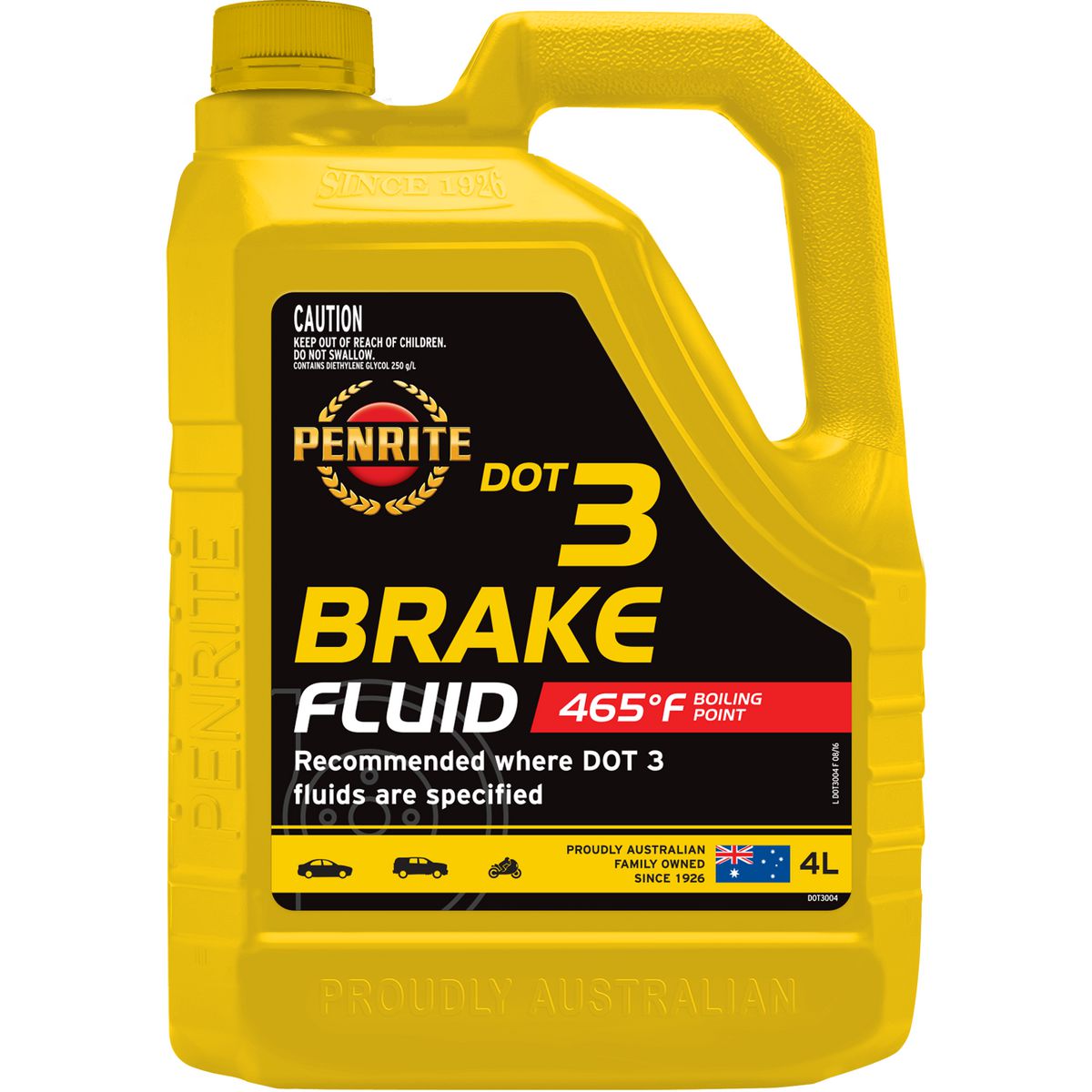
Penrite · Part number DOT3004 · NZ$127.00 incl. GST
If your brake pedal feels a bit soft, or you're getting that ABS light flickering on the dash, water in your brake fluid could be the culprit. It's a silent killer because brake fluid *loves* to absorb moisture, and that lowers its boiling point — meaning less stopping power when you need it most. Plus, it's an easy DIY fix that skips the workshop markup.
Price
NZ$127.00 including GST. Part number DOT3004.
Fits these vehicles
- Dodge Journey (2011–2019)
- Ford Courier (1999–2002)
- Ford Ranger (2009–2011)
- Honda Accord (2003–2008)
- Honda Accord (2003–2008)
- Honda Cr-V (1995–2001)
- Honda Cr-V (2007–2012)
- Honda Cr-V (2007–2012)
- Honda Edix (2004–2011)
- Honda Hr-V (2015+)
- Honda Integra (2002+)
- Hyundai I30 (2007–2011)
- Hyundai I30 (2008–2012)
- Hyundai I30 (2012+)
- Hyundai Tucson (2015–2020)
- Kia Picanto (2004–2011)
- Kia Pregio (1997+)
- Kia Sportage (2004–2010)
- Lexus IS (2005–2013)
- Mazda 2 (2011–2014)
- Mazda 2 (2014+)
- Mazda 3 (2003–2009)
- Mazda 3 (2008–2013)
- Mazda 3 (2011–2013)
- Mazda 323 (1998–2002)
- Mazda 6 (2002–2007)
- Mazda 6 (2005–2007)
- Mazda 6 (2007–2012)
- Mazda Eunos Roadster (2005–2014)
- Mazda Eunos Roadster (2015+)
- Mitsubishi Aspire (1996–2007)
- Mitsubishi Asx (2010+)
- Mitsubishi Challenger (2015+)
- Mitsubishi Delica (1994–2006)
- Mitsubishi L200 (2003–2006)
- Mitsubishi L200 (2014+)
- Mitsubishi L200 (2015+)
- Mitsubishi Lancer (2007–2013)
- Mitsubishi Outlander (2005–2012)
- Mitsubishi Outlander (2006–2012)
Description
Give Your Brakes a Hug: Why Fresh Fluid is Your Car's Best Mate!
Ever felt that brake pedal go a bit squishy, or seen that cheeky ABS light doing a little dance on your dash? Chances are, you've got water sneaking into your brake fluid — and trust me, that's a silent killer. Brake fluid is super keen on soaking up moisture, which is a real problem because it drops its boiling point faster than a dropped pavlova. Less stopping power when you're really leaning on the brakes? Nah, not on our watch! The good news is, this is a total no-brainer DIY fix that'll save you a few bob, bypassing those workshop markups.
Why Brake Fluid Matters
Brake fluid is the unsung hero of your braking system. It transmits the force from your foot on the pedal to the brake calipers, which then clamp down on your rotors to stop the car. Over time, brake fluid absorbs moisture from the atmosphere. This moisture contamination significantly reduces the fluid's boiling point. When the fluid boils, it creates air bubbles in the system, leading to a soft pedal and reduced braking efficiency.
The Danger of Water Contamination
Imagine heading down a steep hill, relying on your brakes. If your brake fluid is waterlogged, it could boil, causing brake fade – a terrifying situation where your brakes temporarily lose their stopping power. This is particularly dangerous in NZ's hilly terrain.
Spotting the Signs
Here's what to look for:
• Spongy Brake Pedal: The pedal feels soft and requires more travel to engage the brakes.
• ABS Light Issues: The ABS (Anti-lock Braking System) light flickers or comes on unnecessarily during normal braking.
• Reduced Stopping Power: You notice your car takes longer to stop, especially in emergency situations.
• Brake Fade: After repeated or hard braking, your brakes seem to lose effectiveness.
Why Penrite DOT 3 Brake Fluid?
Penrite DOT 3 brake fluid is designed to exceed the standards and provide reliable performance:
• High Boiling Point: Resists boiling and vapor lock, even under demanding conditions.
• Corrosion Protection: Protects brake system components from rust and corrosion.
• Maintains Viscosity: Ensures optimal performance across a wide range of temperatures.
• Suitable for ABS: Compatible with both ABS and non-ABS braking systems.
DIY Replacement:
You can change your brake fluid at home with basic tools:
1. Get the Right Fluid: Penrite DOT 3 (this product).
2. Gather Supplies: A wrench to open the bleed screws, a clear hose, a container to collect old fluid, and a helper.
3. Bleed Each Caliper: Starting with the caliper farthest from the master cylinder, attach the hose to the bleed screw, open the screw, and have your helper slowly pump the brakes. Close the screw before they release the pedal.
4. Repeat until the new fluid is clear and free of bubbles.
WOF and Your Brakes:
A spongy brake pedal, or ABS malfunctions are WOF failures. Addressing questionable brake fluid before your Warrant of Fitness (WOF) inspection can save you time and money.
Important Safety Note: Brake repairs are safety-critical. Always use jack stands when working under a vehicle. If you're not comfortable performing this repair yourself, consult a qualified mechanic.
Once you've bled the brakes and felt that firm pedal return, you'll wonder why you ever paid someone else to do it. Sorted! Need a hand? Just ask Bob – he's always keen to help a fellow Kiwi get their ride tip-top.
---
🛠️ Bob's Pro Tip: Do the Job Right!
> If you're replacing this brake fluid, make sure you've got the right workshop prep, protection, and safety gear ready. Taking a bit of extra time and using the proper safety stands and cleaners makes all the difference for a professional result!
🧰 What Else You'll Need:
• Safety First: Always secure your vehicle on heavy-duty safety jack stands before working underneath. Never rely solely on a hydraulic jack.
• Clean Hands: Keep a pack of Nitrile Gloves handy to protect your skin from grease, oils, and chemical sprays.
• Preparation: Have microfibre towels and a suitable parts cleaner nearby to keep components clean during installation.