DBA Disc Brake Rotor
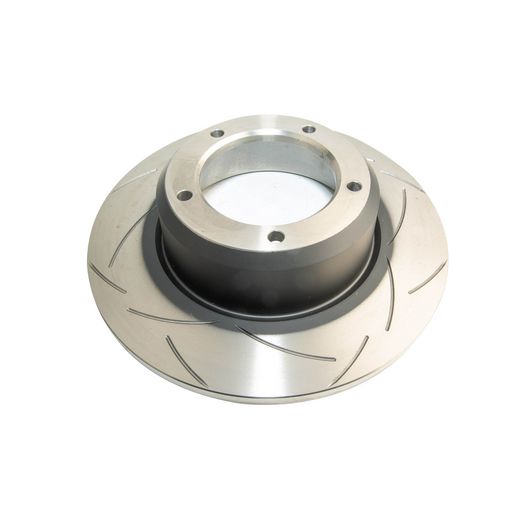
DBA Brakes · Part number DBA087S · NZ$206.00 incl. GST
For your trusty Land Rover Defender, Discovery, or Range Rover, Disc Brake Rotors are the absolute legends that turn all that momentum into heat, bringing you to a safe stop whether you're cruising the highway or tackling a gnarly farm track.
Price
NZ$206.00 including GST. Part number DBA087S.
Fits these vehicles
- Land Rover 110/127 (1983–1990)
- Land Rover Defender (1990–1998)
- Land Rover Defender (1990–1998)
- Land Rover Defender (1998–2000)
- Land Rover Defender (1998–2016)
- Land Rover Defender (2006–2016)
- Land Rover Defender (2007–2016)
- Land Rover Defender (2011–2016)
- Land Rover Discovery (1989–1990)
- Land Rover Discovery (1989–1994)
- Land Rover Discovery (1989–1998)
- Land Rover Discovery (1993–1998)
- Land Rover Range Rover (1969–1991)
- Land Rover Range Rover (1981–1990)
- Land Rover Range Rover (1985–1990)
- Land Rover Range Rover (1986–1990)
- Land Rover Range Rover (1988–1994)
- Land Rover Range Rover (1989–1992)
- Land Rover Range Rover (1992–1996)
Description
Disc Brake Rotor Replacement Guide — Featuring DBA: Get Your Stop On!
> Disc brake rotors are those crucial metal discs your brake pads grab onto to slow your vehicle down. Over time, these hard-working parts can wear thin, get a bit warped from all that heat, or end up scored if your pads have seen better days. This is especially true for those heavy-duty Land Rover Defenders and Range Rovers that are always towing, hauling gear, or tackling steep descents where the brakes really earn their keep.
Symptoms That Led You Here
• Pulsating or vibrating brake pedal, especially noticeable at highway speeds
• Steering wheel shimmy during braking
• Visible scoring, grooves, or rust ridges on the rotor surface
• Grinding noise indicating pads have worn through to metal-on-metal contact
• Longer stopping distances than usual, even with new pads fitted
• Uneven pad wear suggesting rotor runout or warping
Will it pass WOF?
Worn, warped, or excessively scored brake rotors are a WOF failure item under NZTA requirements. Rotors must have adequate thickness above the manufacturer's minimum specification, show no cracks, and provide consistent braking performance. For vehicles as heavy as Defenders and Range Rovers, inspectors pay close attention to brake component condition given the additional stopping demands.
DIY or Workshop?
Difficulty: 5/10 | Time: 1.5-2.5 hours per axle | Tools: Jack and stands, wheel brace, socket set, torque wrench, brake cleaner, possibly a slide hammer for seized rotors
Land Rover brake systems are generally accessible, but decades-old Defenders and classic Range Rovers often present seized caliper slides and corroded hub faces. If you're comfortable with basic mechanical work and have a decent toolkit, this is achievable at home. However, if rotors are badly seized or you lack a torque wrench for proper caliper bolt tension, a workshop visit ensures the job's done safely.
Expert Recommendation
Brake rotors on working Land Rovers lead hard lives—towing stock trailers, crawling down steep station tracks, and enduring NZ's wet, gritty conditions that accelerate wear. Replacing worn rotors restores proper heat dissipation and eliminates dangerous vibration that compromises control. The DBA rotor for this application is engineered for heavy-duty use and excellent heat management, making it ideal for these substantial British 4x4s. Bob @ CARFIX is always on hand to help you work out exactly what rotor specification suits your Defender or Range Rover's workload. Make sure you head over to Bob's Shop for a chat!
Fitment Notes
• Confirmed fitment spans Land Rover Defender Td4 variants (2006-2016), classic Range Rovers (1970-1996 including Vogue SEI, TD, and TDi models), Discovery Series 1 (1989-1994), and 110/127 models (1983-1990)
• Always verify rotor diameter and vented/solid configuration matches your specific axle—front and rear specifications differ
• Classic Range Rovers and early Defenders may have imperial fasteners; confirm socket sizes before starting
• Heavily corroded hub faces should be wire-brushed clean to prevent new rotor runout
---
🛠️ Bob's Pro Tip: Do the Job Right!
🧰 What Else You'll Need:
• Safety First: Never work under a vehicle supported only by a jack. Always secure it on heavy-duty safety jack stands.
• Brake Dust Protection: Keep a pack of Nitrile Gloves handy to protect your hands from grease and dust.
• Clean and Prep: Use Brake Cleaner to clean the anti-corrosion shipping oil off the new rotors before mounting the calipers.
• Lubrication: Apply caliper grease to caliper slide pins and pad contact points to prevent squealing.