Gulf Western Syn-star Synthetic 0W-30 Engine Oil - 20L
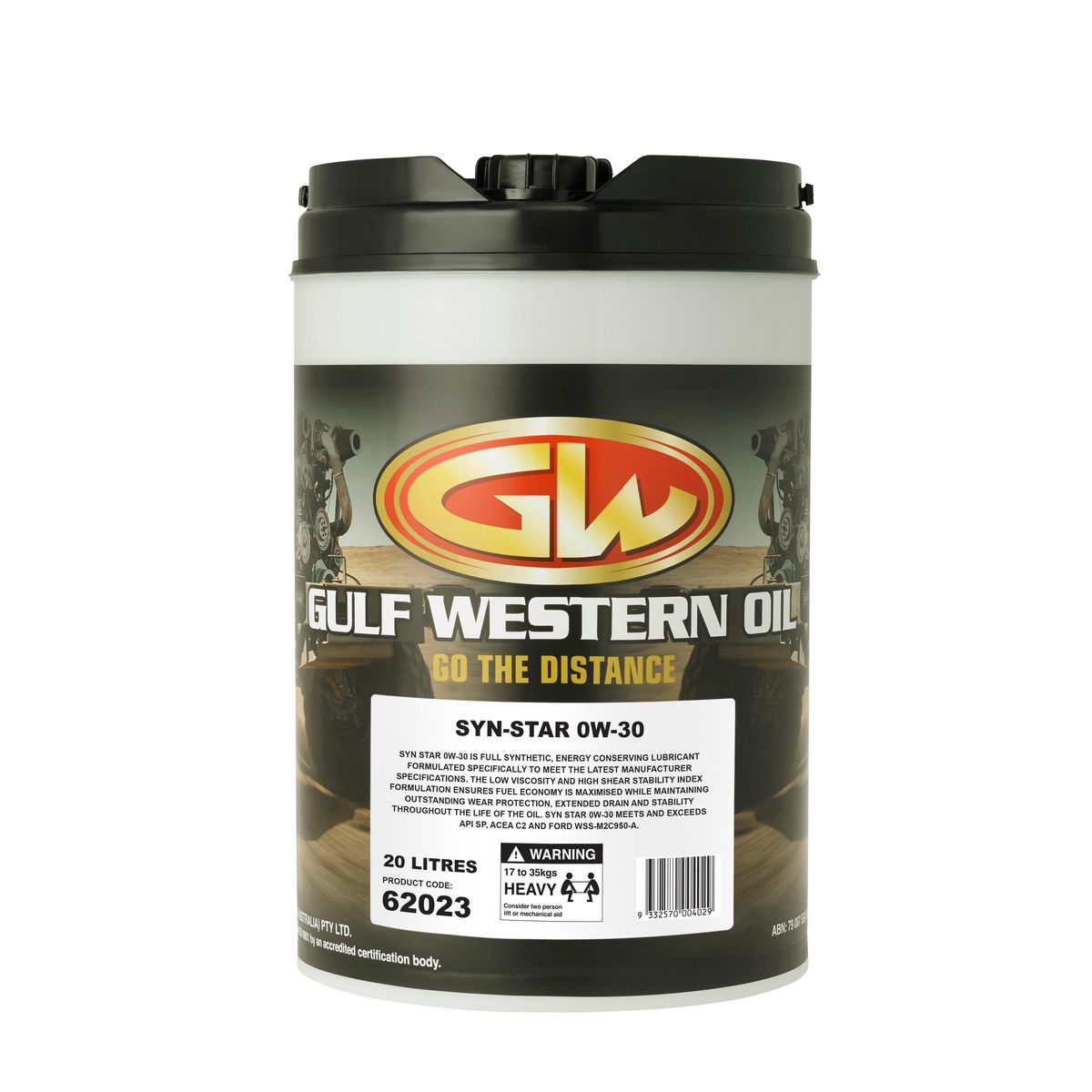
Gulf Western · Part number 62023 · NZ$712.00 incl. GST
Right then, for those zippy European machines like your BMW M4, MINI Cooper, or a turbocharged Ford Focus, a premium full-synthetic engine oil is an absolute must-have. It's the secret sauce for keeping those high-stress engines humming, especially with our tough conditions here in Aotearoa, preventing wear and tear and keeping your fuel economy spot on. Our Gulf Western option is a top-notch choice, sitting proudly.
Price
NZ$712.00 including GST. Part number 62023.
Fits these vehicles
- Alfa Romeo Giulia (2015+)
- Alfa Romeo Giulia (2016–2022)
- Alfa Romeo Giulia (2016+)
- Alfa Romeo Giulietta (2010–2016)
- Alfa Romeo Giulietta (2010–2018)
- Alfa Romeo Giulietta (2010–2020)
- Alfa Romeo Giulietta (2010–2020)
- Alfa Romeo Giulietta (2010–2020)
- Alfa Romeo Giulietta (2011–2017)
- Alfa Romeo Giulietta (2011–2017)
- Alfa Romeo Giulietta (2013–2018)
- Alfa Romeo Giulietta (2013–2018)
- Alfa Romeo Giulietta (2014–2018)
- Alfa Romeo Mito (2013–2018)
- Alfa Romeo Mito (2013–2018)
- Alfa Romeo Stelvio (2016+)
- Alfa Romeo Stelvio (2016+)
- Alfa Romeo Stelvio (2016+)
- Alfa Romeo Tonale (2022+)
- Bentley Bentayga (2017+)
- Bentley Flying Spur (2021+)
- Bentley Mulsanne (2009–2020)
- Bentley Mulsanne (2014–2020)
- BMW 1 (2006–2011)
- BMW 1 (2007–2011)
- BMW 1 (2011–2015)
- BMW 1 (2011–2015)
- BMW 1 (2011–2015)
- BMW 1 (2012–2017)
- BMW 1 (2012–2017)
- BMW 1 (2012–2019)
- BMW 1 (2015–2015)
- BMW 1 (2015–2016)
- BMW 1 (2015–2019)
- BMW 1 (2016–2019)
- BMW 1 (2016–2019)
- BMW 1 (2016–2019)
- BMW 1 (2019+)
- BMW 1 (2019+)
- BMW 1 (2020+)
Description
Engine Oil Swap — Keep Your Euro Rocket Humming!
> Look, full-synthetic engine oil isn't just oil; it's the lifeblood for today's turbocharged, high-performance European engines. It's what gives them that thermal stability, keeps deposits at bay, and protects against wear in a way that regular oils just can't manage. Cars like your BMW M4, that slick Peugeot 308, or even a Ford Focus EcoBlue demand precise viscosity. It's critical for protecting those intricate fuel injection systems and turbos from the scorching heat cycles they face on our Kiwi roads.
Is your engine telling you something?
• Engine sounding a bit rough, maybe a new ticking sound when you fire it up?
• That oil pressure light flickering, or worse, staying on?
• Drinking more fuel than usual, even though your driving hasn't changed?
• Dipstick showing dark, gritty oil? That's contamination, mate.
• Feeling a bit of 'turbo lag' or less oomph from your forced-induction beast?
• Seeing blue-grey smoke from the exhaust? That often means oil's burning past worn seals.
Will it pass WOF?
While the oil itself isn't a direct WOF check, ignoring it is a surefire way to fail. Neglected oil leads to nasty exhaust emissions, oil leaks, and engine damage, all of which will get you a fail notice. Our WOF checks include a good look for leaks and emission tests — and dodgy oil speeds up both those problems.
DIY or Workshop?
Difficulty: 3/10 | Time: 30-45 minutes | Tools: Drain pan, correct socket for sump plug, oil filter wrench, funnel, torque wrench
Most European cars have easily accessible sump plugs, but some BMW and MINI models might need specific filter housing tools. Always, always check your owner's manual for the exact viscosity (often 5W-30 or 5W-40 for these beauties) and how much you need. Over or under-filling? That's a recipe for serious damage.
Bob's Expert Recommendation
Bob and the CARFIX crew can't stress this enough: stick to the manufacturer's oil change intervals like glue — usually 10,000-15,000km for European turbocharged engines. But let's be real, with our variable Kiwi climate and all that stop-start urban driving, shorter intervals are often smarter. The Gulf Western full-synthetic range ticks all the boxes for those stringent European specs, making it a brilliant choice for your BMW, Peugeot, or Ford. Pop into Bob's Shop for a chat, and he'll help you match the perfect viscosity and spec for your exact vehicle.
Fitment Notes
• BMW M4 and X5 models specifically require BMW Longlife-01 or LL-04 approved oils — double-check that spec before you buy!
• Ford EcoBlue diesels demand low-SAPS oil that meets Ford WSS-M2C913-D to protect their DPF systems.
• MINI Cooper turbocharged variants are super sensitive to oil quality, especially with their compact turbo placement.
• Peugeot and Citroen HDi diesels need ACEA C2/C3 rated oils for their emission systems to play nice.
• SsangYong Actyon Sports diesel engines love a bit more viscosity when they're hauling heavy loads.
A Few Burning Questions You Might Have:
Q: How often should I change the engine oil in my turbocharged European car here in NZ?
A: The baseline is every 10,000km or 12 months, but with our mix of quick urban dashes and rugged mountainous terrain, oil degrades faster. Many BMW and Ford owners find that a 7,500km interval works wonders for optimal turbo protection.
Q: Can I use 5W-30 instead of 5W-40 in my BMW M4?
A: Only if that 5W-30 meets BMW's specific Longlife approval. Chucking in the wrong viscosity for a high-performance M engine is asking for trouble; you risk inadequate film strength during spirited driving or track days, which can lead to bearing wear. Not ideal!
Q: Why does my MINI Cooper seem to drink oil between changes?
A: Turbocharged MINI engines are actually known for using a bit of oil — BMW considers up to 1L per 5,000km acceptable. Keep an eye on that dipstick and top it up with the right spec oil to avoid any dramas.
Q: Does engine oil really impact the DPF life in my Ford Focus EcoBlue?
A: Absolutely, it's a huge deal! Using non-low-SAPS oil introduces ash that'll clog up your DPF, triggering warning lights and leading to some hefty repair bills. Always use Ford-approved or ACEA C2/C3 rated oil to keep that DPF happy.
Q: What happens if I mix different brands of engine oil?
A: For a quick top-up, mixing quality full-synthetics of the same viscosity and spec is generally alright. But when it comes to a full oil change, it's best to stick to one product. That way, you ensure all the additive packages work together perfectly for consistent protection.
---
🛠️ Bob's Pro Tip: Do the Job Right!
🧰 What Else You'll Need:
• Clean Workspace: Use a dedicated oil drip tray and have a roll of workshop towels ready to catch any spills during the drain.
• Filter Removal: Keep an oil filter wrench or strap wrench handy, as old filters can be stubbornly seized.
• Pre-Lubrication: Smear a tiny dab of fresh engine oil onto the rubber gasket of the new oil filter before spinning it on to ensure a perfect, leak-free seal.
• Clean Hands: Keep Nitrile Gloves and heavy-duty hand cleaner nearby to protect your skin from used motor oil.