Castrol EDGE A3/B4 5W-40 Engine Oil 1L
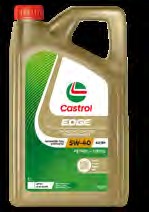
Castrol · Part number 3421234 · NZ$38.00 incl. GST
Right then, engine oil's the absolute guts of your vehicle's engine, keeping everything running smooth as silk, whether you're belting around in a Porsche 911 GT3, doing the daily commute in a Toyota Corolla, or hauling serious gear in a Fiat Ducato.
Price
NZ$38.00 including GST. Part number 3421234.
Fits these vehicles
- Maserati Ghibli (2013+)
- Mazda 3 (2003–2009)
- Mazda 3 (2008–2013)
- Mazda 3 (2011–2013)
- Mazda 323 (1998–2002)
- Mazda 6 (2005–2007)
- Mazda Eunos Roadster (2005–2014)
- Mercedes-Benz A-Class (2015–2018)
- Mercedes-Benz Clk (2005–2009)
- Mitsubishi Outlander (2005–2012)
- Mitsubishi Outlander (2006–2012)
- Nissan 200SX (1993–1998)
- Subaru Impreza (1994–2000)
- Subaru Outback (2009+)
- Suzuki Cultus (2005+)
- Toyota Supra (1993–2002)
- Volkswagen Golf (2004–2008)
Description
Engine Oil Change — Keep Your Engine Humming Like a Good 'Un!
> Your engine oil takes a fair beating over time, getting cooked, oxidised, and mucked up with combustion nasties. It loses its mojo, you know? Whether you're thrashing a Porsche 911 GT3 on the track, just ducking to the shops in a Toyota Corolla, lugging heavy loads in a Fiat Ducato, or cruising in a fancy Mercedes-Benz S-Class, fresh oil is key to keeping those engine bits happy and healthy. Don't skimp on the good stuff!
Signs Your Engine's Crying Out For a Change
• Engine sounding a bit rougher than usual, maybe some tappet noise
• That pesky oil pressure warning light flashing on your dash
• Dipstick showing black, sludgy oil instead of a nice amber colour
• Suddenly using more petrol for no good reason
• Engine feeling a bit sluggish, not as zippy as it once was
• Getting a whiff of burning oil from under the bonnet
• Puffs of smoke from the exhaust on startup
Will it pass WOF?
Nah, the WOF bloke won't directly check your oil's condition, but if it's properly munted, you'll likely have leaks or excessive exhaust smoke, and that's an instant fail. Worse still, a knackered engine from oil starvation is a much bigger headache (and lighter wallet) than a regular oil change.
DIY or Workshop?
Difficulty: 3/10 | Time: 30-45 minutes | Tools: Drain pan, correct socket for sump plug, oil filter wrench, funnel, new crush washer
Most cars are pretty straightforward for a DIY oil change with a few basic tools. Some European models, like a Volkswagen Passat or Mercedes-Benz CLK, might need you to take off an underbody panel first. High-performance beasts like the Porsche 911 GT3 are often best left to the pros to make sure the oil level and torque specs are spot-on.
Expert Recommendation
Bob and the CARFIX crew reckon you should always stick to what your car's manufacturer says for oil change intervals — usually 10,000-15,000km for modern synthetics or 5,000-7,500km for older vehicles and those working hard, like a Fiat Ducato doing commercial runs. Always make sure you're using the right viscosity grade (like 0W-40, 5W-30, etc.) for your engine. Bob @ CARFIX is always here to help you figure out exactly what oil grade and quantity you need for your European tourer, trusty Japanese commuter, or hardworking commercial vehicle. Pop on over to Bob's Shop for a yarn and some top advice!
Fitment Notes
• European vehicles (VW, Mercedes-Benz, Porsche, Volvo) often need oils that meet specific OEM approvals (VW 502.00, MB 229.5, etc.)
• That Porsche 911 GT3 flat-six demands oils built for high-rev, sustained action
• Commercial rigs like the Fiat Ducato JTD diesel need oils with the right ACEA ratings
• Always double-check the capacity — it can be anything from ~4L for a Toyota Corolla to 9L+ for a Volvo S80 V8
• Older vehicles (like a 1990s Renault Safrane or early Corolla) might be fine with conventional oils; just check your manual
Find all your car care needs at Bob's shop, your friendly neighbourhood mechanic!
---
🛠️ Bob's Pro Tip: Do the Job Right!
🧰 What Else You'll Need:
• Clean Workspace: Use a dedicated oil drip tray and have a roll of workshop towels ready to catch any spills during the drain.
• Filter Removal: Keep an oil filter wrench or strap wrench handy, as old filters can be stubbornly seized.
• Pre-Lubrication: Smear a tiny dab of fresh engine oil onto the rubber gasket of the new oil filter before spinning it on to ensure a perfect, leak-free seal.
• Clean Hands: Keep Nitrile Gloves and heavy-duty hand cleaner nearby to protect your skin from used motor oil.